Diabetes doesn’t just affect your blood sugar — it significantly impacts your heart.
In fact, people living with diabetes are about twice as likely to develop heart disease compared to those without it. The connection lies in how elevated blood sugar affects your blood vessels, arteries, and overall cardiovascular system.
Let’s explore why this happens — and what you can do to lower your risk.
How Diabetes Affects the Body
Your body uses glucose (sugar) as fuel. To move glucose from your bloodstream into your cells, your pancreas produces a hormone called insulin.
In diabetes:
-
The body doesn’t produce enough insulin, or
-
The body cannot use insulin effectively (insulin resistance)
When this happens, glucose builds up in the bloodstream instead of being used for energy.
While some sugar in the blood is necessary, consistently high levels can damage blood vessels and nerves — including those that supply the heart.
Why High Blood Sugar Harms Your Arteries
Chronic high blood sugar contributes to:
-
Damage to the inner lining of blood vessels
-
Increased inflammation
-
Greater cholesterol buildup in artery walls
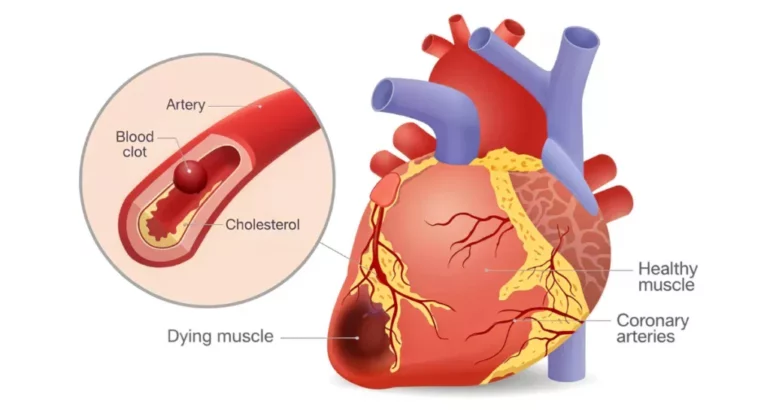
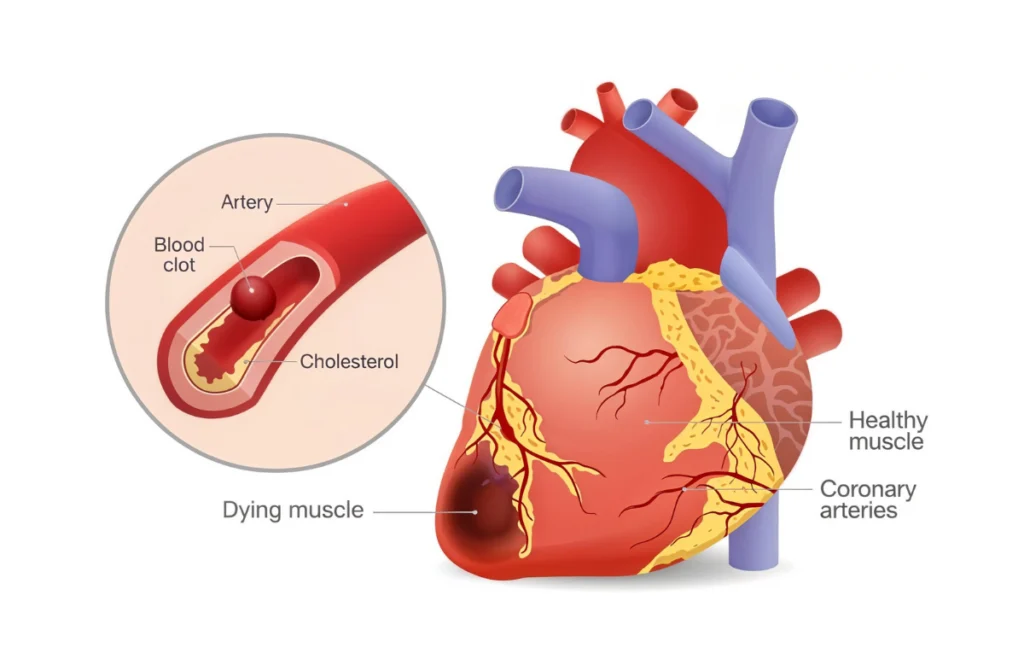
Over time, this leads to atherosclerosis — a narrowing and hardening of the arteries due to plaque buildup.
Narrowed arteries restrict blood flow and increase the risk of:
-
Heart attack
-
Stroke
-
High blood pressure
-
Heart failure
Because of this, diabetes is considered a major risk factor for cardiovascular disease.
Types of Heart Disease Linked to Diabetes
People with diabetes may develop heart disease earlier in life and may not always notice symptoms at first.
Common conditions include:
1. Coronary Artery Disease
Plaque buildup in arteries supplying the heart reduces blood flow and increases the risk of heart attack and stroke.
2. Heart Failure
The heart becomes unable to pump blood efficiently throughout the body.
3. Cardiomyopathy
The heart muscle weakens or stiffens, affecting its ability to function properly.
As heart disease progresses, symptoms may include:
-
Shortness of breath
-
Fatigue
-
Dizziness
-
Irregular heartbeat
-
Swelling in feet or ankles
-
Chest pain
If you experience these symptoms, seek medical care immediately.
Risk Factors You Can — and Can’t — Control
Some risk factors are unavoidable:
-
Age (risk increases after 45 for men and after menopause for women)
-
Family history of heart disease
However, many important factors can be managed:
-
Blood sugar levels
-
Blood pressure
-
Cholesterol
-
Smoking
-
Obesity
-
Kidney disease
Managing these risks early significantly lowers the chance of heart complications.
Reduce Your Risk: Remember the ABC(DE)s
A helpful way to remember heart-protective strategies is the ABC(DE) approach, recommended by the American College of Cardiology.
A = A1C
A1C measures your average blood sugar over the past 2–3 months.
-
Target: Below 7% (as advised by your doctor)
-
High A1C levels indicate ongoing blood vessel damage.
Regular monitoring and proper treatment help protect your arteries.
B = Blood Pressure
People with diabetes often also have hypertension.
-
Goal: Below 130/80 mmHg (unless otherwise advised)
Managing blood pressure reduces strain on your heart and arteries.
C = Cholesterol
High cholesterol accelerates plaque buildup.
Healthy habits — and sometimes medications like statins — can help maintain safer cholesterol levels.
Annual cholesterol checks are recommended.
D = Diet
A heart-healthy diet can:
-
Lower blood sugar
-
Improve cholesterol
-
Reduce blood pressure
Focus on:
-
Fruits and vegetables
-
Whole grains
-
Lean proteins
-
Healthy fats
-
Limited sugar, salt, and processed foods
E = Exercise
Regular movement helps:
-
Lower blood sugar
-
Strengthen the heart
-
Improve circulation
The American Heart Association recommends:
-
150 minutes of moderate aerobic activity per week
or -
75 minutes of vigorous activity
or -
A combination of both
Even a daily walk is a great place to start.
Don’t Forget: Stop Smoking
Smoking narrows blood vessels — and so does diabetes. Together, they dramatically increase heart disease risk.
The good news:
Quitting smoking improves blood sugar, blood pressure, cholesterol, and overall heart health.
That’s a powerful win across the board.
Additional Steps to Protect Your Heart
-
Take medications exactly as prescribed
-
Manage stress levels
-
Prioritize quality sleep
-
Keep regular doctor appointments
-
Monitor kidney health
Heart disease often develops silently. Prevention is far easier than treatment.
The Bottom Line
Diabetes and heart disease are closely connected because elevated blood sugar damages blood vessels and promotes plaque buildup.
The good news? You have meaningful control over your risk.
By managing blood sugar, blood pressure, cholesterol, diet, and physical activity — and by avoiding smoking — you can significantly reduce your chances of heart complications.
Understanding this connection empowers you to make informed choices that protect both your blood sugar and your heart for the long term.