
Introduction
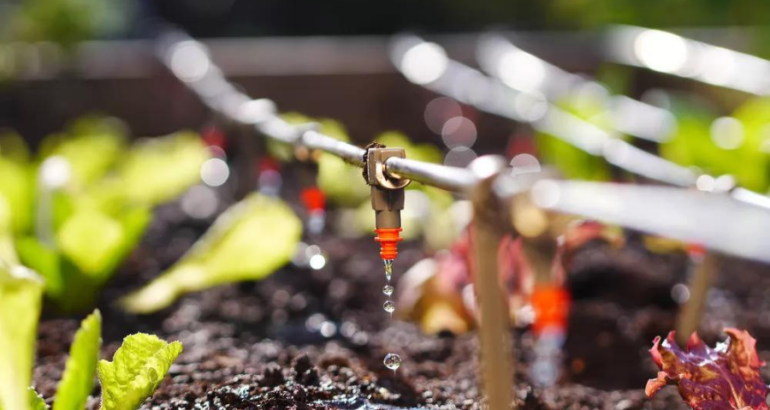
A drip irrigation system is one of the most efficient ways to water plants, gardens, flower beds, and vegetable patches. Unlike traditional sprinklers that spray water over a large area, drip irrigation delivers water directly to the roots of plants through a network of tubes, emitters, and connectors. This targeted watering method minimizes water waste, reduces evaporation, and promotes healthier plant growth.
Whether you’re maintaining a backyard garden or a landscaped yard, installing a drip irrigation system can save time, lower water bills, and simplify garden maintenance. This guide explains the benefits of drip irrigation and provides a step-by-step process for installing your own system.
Benefits of a Drip Irrigation System
Before installation, it’s helpful to understand why many homeowners and gardeners choose drip irrigation over conventional watering methods.
Some of the key benefits include:
- Conserves water by delivering it directly to plant roots.
- Reduces weed growth by watering only desired plants.
- Prevents soil erosion caused by excessive watering.
- Minimizes fungal diseases by keeping leaves dry.
- Saves time through automated watering schedules.
- Improves plant health with consistent moisture levels.
- Lowers monthly water consumption and utility costs.
These advantages make drip irrigation an environmentally friendly and cost-effective solution.
Tools and Materials You’ll Need
Gather all the necessary materials before beginning the installation.
Common items include:
- Drip irrigation tubing
- Main supply line
- Drip emitters
- Connectors and tees
- End caps
- Pressure regulator
- Filter
- Backflow preventer
- Hose adapter
- Stakes or landscape pins
- Hole punch tool
- Pruning shears or tubing cutter
- Garden timer (optional)
Choosing high-quality components will improve the durability and performance of your irrigation system.
Step 1: Plan Your Irrigation Layout
The first step is designing your watering system.
Walk through your garden and identify:
- Flower beds
- Vegetable gardens
- Shrubs
- Trees
- Container plants
Measure the distance from your outdoor faucet to the planting areas. Sketch a simple layout showing where the main tubing will run and where emitters will be placed.
Plants with similar watering requirements should be grouped together to maximize irrigation efficiency.
Step 2: Connect to the Water Source
Attach the irrigation system to an outdoor faucet or dedicated irrigation valve.
Install the following components in order:
- Backflow preventer
- Filter
- Pressure regulator
- Hose adapter
These components protect your household water supply, remove debris, and ensure water pressure remains suitable for drip irrigation.
Excessively high pressure can damage emitters and tubing.
Step 3: Lay the Main Tubing
Roll out the main irrigation tubing along the planned route.
Avoid twisting or sharply bending the tubing, as this may restrict water flow.
Secure the tubing to the ground using landscape stakes every few feet to keep it in position.
If the tubing needs to change direction, use elbow or tee connectors instead of forcing bends.
Step 4: Install Drip Emitters
Using a hole punch tool, create small openings in the main tubing wherever plants require watering.
Insert drip emitters into the holes securely.
Different plants require different emitter flow rates.
For example:
- Small flowers: lower flow emitters
- Vegetables: medium flow emitters
- Shrubs: higher flow emitters
- Trees: multiple emitters around the root zone
Position emitters close to the plant roots rather than directly against the stems.
Step 5: Add Branch Lines
For larger gardens, branch tubing can extend from the main line to individual planting areas.
Connect smaller tubing using barbed connectors or tees.
Secure branch lines with additional stakes to prevent movement.
This flexible design allows water to reach plants throughout the landscape without requiring multiple water sources.
Step 6: Cap the End of the Tubing
After installing all emitters and branch lines, seal the end of the main tubing with an end cap or figure-eight clamp.
A properly sealed system ensures water pressure remains consistent throughout the irrigation network.
Some end caps can be removed easily when flushing the system during maintenance.
Step 7: Test the System
Turn on the water slowly and inspect the entire irrigation system.
Check for:
- Leaks
- Loose fittings
- Uneven water flow
- Blocked emitters
- Kinked tubing
Allow the system to run for several minutes to ensure every emitter is functioning properly.
Make adjustments as necessary before covering or hiding the tubing.
Automating Your Irrigation
Installing a garden timer adds convenience and helps maintain consistent watering schedules.
Most timers allow homeowners to:
- Set watering days
- Control watering duration
- Schedule multiple watering cycles
- Skip watering during rainy weather (with compatible sensors)
Automation reduces manual effort while improving water efficiency.
Maintenance Tips
Routine maintenance keeps your drip irrigation system operating efficiently.
Important maintenance tasks include:
- Clean filters regularly.
- Flush tubing every few months.
- Inspect emitters for clogs.
- Replace damaged tubing promptly.
- Check for leaks after winter or extreme weather.
- Adjust emitter placement as plants grow.
Seasonal inspections help extend the lifespan of the entire system.
Common Installation Mistakes to Avoid
Many beginners encounter avoidable problems during installation.
Some common mistakes include:
- Using excessive water pressure.
- Placing emitters too far from plant roots.
- Installing too many emitters on one line.
- Ignoring filtration requirements.
- Forgetting to flush the system before final installation.
- Allowing tubing to become kinked or pinched.
Careful planning helps prevent these issues and ensures reliable performance.
Conclusion
Installing a drip irrigation system is a practical investment for anyone looking to maintain a healthy and water-efficient garden. By delivering water directly to plant roots, drip irrigation reduces waste, conserves resources, and supports stronger plant growth while minimizing maintenance.
With proper planning, quality materials, and routine maintenance, homeowners can enjoy an efficient watering solution that saves both time and money. Whether you have a small flower bed or an extensive vegetable garden, a well-installed drip irrigation system provides long-term benefits for your landscape and the environment.