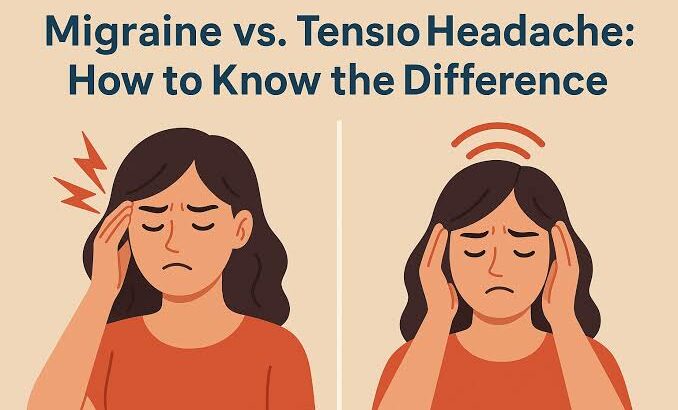
Headaches are among the most common health complaints, and almost everyone experiences them at some point. They can develop because of stress, dehydration, lack of sleep, eye strain, or other everyday factors. However, not every severe headache is simply a regular headache. Sometimes, recurring or intense head pain may be a sign of migraine.
Migraine is a neurological condition that can affect daily activities, work productivity, sleep, and overall quality of life. Unlike an ordinary headache, it may involve nausea, sensitivity to light and sound, visual disturbances, and other symptoms.
Understanding the difference between migraine and a regular headache is important because both conditions may require different approaches to treatment and management. In this guide, we will explore their symptoms, causes, differences, treatment options, and warning signs that should never be ignored.
What Is a Regular Headache?
A regular headache refers to pain or discomfort in the head, scalp, or neck area. One of the most common types is a tension-type headache, which often develops due to stress, muscle tension, poor posture, or fatigue.
The pain is generally described as a dull ache or pressure around the forehead, temples, or back of the head.
Common Symptoms of a Regular Headache
Some common symptoms include:
- Mild to moderate pain in the head.
- A feeling of tightness around the forehead.
- Pressure on both sides of the head.
- Neck and shoulder muscle tension.
- Mild discomfort during daily activities.
Most tension-type headaches do not cause significant nausea or vomiting. They also usually do not become worse with routine physical activity.
However, headaches can have different causes, and their symptoms may vary from person to person.
What Is a Migraine?
Migraine is a neurological disorder characterized by recurring episodes of moderate to severe headaches, often accompanied by other symptoms.
Migraine pain commonly affects one side of the head, although it can occur on both sides. The pain is frequently described as throbbing or pulsating and may become worse with physical activity.
A migraine attack can last between 4 and 72 hours when untreated or unsuccessfully treated.
Some people experience warning signs before the headache begins, while others develop pain without any noticeable warning.
Common Symptoms of Migraine
Migraine symptoms may include:
- Moderate to severe throbbing head pain.
- Pain that often affects one side of the head.
- Nausea and vomiting.
- Sensitivity to bright lights.
- Sensitivity to loud sounds.
- Sensitivity to certain smells.
- Blurred vision or visual disturbances.
- Dizziness and fatigue.
Not everyone experiences all these symptoms. Some individuals primarily experience headache pain, while others have several accompanying neurological symptoms.
Migraine vs. Regular Headache: Key Differences
Although migraine and regular headaches can both cause head pain, several characteristics help distinguish them.
| Feature | Regular Tension-Type Headache | Migraine |
|---|---|---|
| Pain intensity | Usually mild to moderate | Often moderate to severe |
| Pain location | Commonly both sides | Often one side, but can affect both |
| Pain sensation | Dull, pressing, or tightening | Throbbing or pulsating |
| Duration | 30 minutes to several days | 4 to 72 hours |
| Nausea | Usually absent | Common |
| Light sensitivity | Sometimes | Common |
| Sound sensitivity | Sometimes | Common |
| Physical activity | Usually does not worsen pain | Often makes pain worse |
| Visual disturbances | Uncommon | May occur, particularly with aura |
These differences can provide useful clues, but symptoms alone cannot always establish an accurate diagnosis.
What Is Migraine With Aura?
Some people experience a group of temporary neurological symptoms known as aura before or during a migraine attack.
Aura usually develops gradually and may last between 5 and 60 minutes.
Common Migraine Aura Symptoms
- Seeing flashing lights or bright spots.
- Experiencing zigzag lines or unusual visual patterns.
- Temporary blind spots in the visual field.
- Tingling or numbness in the face or hands.
- Difficulty finding or speaking certain words.
Not all migraine sufferers experience aura. Many people have migraine without aura.
It is important to remember that sudden visual loss, weakness, or speech difficulties can also indicate a stroke. New or unusual neurological symptoms require urgent medical evaluation rather than being automatically attributed to migraine.
Common Causes and Triggers of Migraine
The exact cause of migraine is complex and involves changes in brain activity, nerve signaling, and pain-processing pathways. Genetic and environmental factors may also influence susceptibility.
Certain triggers can increase the likelihood of an attack in people who are prone to migraine.
1. Stress and Anxiety
Emotional stress is a commonly reported migraine trigger. Work pressure, family responsibilities, and prolonged anxiety may contribute to attacks.
2. Sleep Problems
Insufficient sleep, irregular sleeping schedules, and excessive changes in sleep patterns can trigger migraine episodes.
3. Hormonal Changes
Changes in estrogen levels can influence migraine patterns. Some women experience attacks around menstruation, pregnancy, or menopause.
4. Certain Foods and Drinks
Some individuals report migraine attacks after consuming certain foods or beverages, including alcohol, processed meats, and foods containing specific additives.
However, food triggers differ between individuals.
5. Dehydration and Skipped Meals
Not drinking enough water or missing regular meals may trigger headaches and migraine attacks in susceptible individuals.
6. Environmental Factors
Bright lights, strong smells, loud noises, weather changes, and excessive screen exposure may contribute to symptoms in some people.
Identifying personal triggers can help reduce the frequency of migraine attacks.
How Is Migraine Diagnosed?
There is no single blood test or imaging scan that can independently confirm most migraine cases. Diagnosis generally involves a detailed medical history, symptom evaluation, and physical and neurological examinations.
A healthcare professional may ask questions about:
- How frequently headaches occur.
- Where the pain is located.
- How long each episode lasts.
- Whether the pain is throbbing or pressing.
- Whether nausea or visual symptoms occur.
- Possible triggers.
- Family history of migraine.
- Medications being used.
In certain situations, a doctor may recommend imaging or additional investigations to rule out other causes of headaches.
Keeping a headache diary can also help identify patterns and provide useful information during medical consultations.
Treatment Options for Migraine and Regular Headaches
Treatment depends on the type, severity, frequency, and underlying cause of the headache.
Treatment for Regular Headaches
Many mild tension-type headaches improve with simple measures such as:
- Drinking enough water.
- Getting adequate sleep.
- Taking breaks from screens.
- Practicing relaxation techniques.
- Improving posture.
- Applying a warm compress to tense neck and shoulder muscles.
Over-the-counter pain relievers such as paracetamol or ibuprofen may help some people. However, they should be used according to medical guidance and product instructions.
Treatment for Migraine
Migraine treatment generally includes medications for relieving attacks and, when necessary, preventive treatments.
Acute Treatment: Doctors may recommend suitable pain relievers, anti-inflammatory medicines, triptans, or other migraine-specific medications. Antinausea medication may also be prescribed when needed.
Preventive Treatment: People experiencing frequent or disabling attacks may benefit from preventive medications. Options can include certain blood pressure medicines, antidepressants, anti-seizure medications, CGRP-targeting treatments, and other therapies.
The choice depends on individual health conditions, migraine frequency, and potential medication risks.
Avoid taking painkillers too frequently because medication-overuse headaches can develop with regular excessive use.
Lifestyle Changes That May Help Prevent Migraine
Although migraine cannot always be prevented, certain lifestyle habits may help reduce attack frequency and improve overall well-being.
- Maintain a Regular Sleep Schedule: Try to sleep and wake up at consistent times.
- Stay Hydrated: Drink sufficient water throughout the day.
- Eat Regular Meals: Avoid skipping meals or going for long periods without food.
- Exercise Consistently: Walking, cycling, swimming, and other moderate activities may support overall health.
- Manage Stress: Meditation, yoga, and breathing exercises may help reduce stress-related triggers.
- Limit Personal Triggers: Identify and manage foods, environmental conditions, or habits that appear to trigger attacks.
- Take Screen Breaks: Follow regular screen breaks, especially when working for extended periods.
Consistency is important. Making several small lifestyle improvements may be more sustainable than following strict or temporary routines.
When Should You Seek Medical Attention?
Most headaches are not emergencies, but certain symptoms require immediate medical evaluation.
Seek emergency medical assistance if you experience:
- A sudden, extremely severe headache that reaches maximum intensity within seconds or minutes.
- A headache accompanied by weakness, confusion, fainting, or difficulty speaking.
- Sudden vision loss or new neurological symptoms.
- A severe headache with fever, stiff neck, or a rash.
- A headache following a significant head injury.
You should also consult a healthcare professional if headaches become more frequent, progressively worsen, interfere with everyday activities, or change significantly in their usual pattern.
Early diagnosis can help identify the cause and ensure appropriate treatment.
Conclusion
Migraine and regular headaches may appear similar, but they are not the same condition. While tension-type headaches generally cause dull pressure or tightness, migraine often involves throbbing pain, nausea, sensitivity to light and sound, and sometimes visual or sensory disturbances.
Understanding these differences can help you recognize symptoms, identify possible triggers, and seek appropriate medical care.
If you experience recurring or severe headaches, avoid relying entirely on self-medication. Consult a qualified healthcare professional for an accurate diagnosis and personalized treatment plan.
With proper management, lifestyle adjustments, and suitable medical care, many people can reduce the impact of headaches and migraine attacks on their everyday lives.