
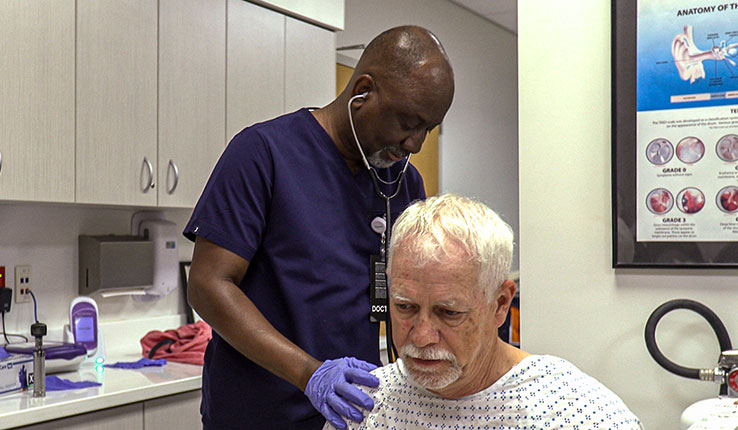
As people live longer and medical advancements improve life expectancy, planning for the future has become more important than ever. One crucial aspect of financial and personal planning is long-term care. While many people focus on retirement savings, they often overlook the potential need for assistance with daily activities later in life. Planning ahead for long-term care can help protect your finances, reduce stress on your family, and ensure you receive the care you need.
In this article, we’ll discuss what long-term care is, why planning matters, and the steps you can take to prepare for the future.
Table of Contents
ToggleWhat Is Long-Term Care?
Long-term care refers to a range of services designed to help individuals who are unable to perform everyday activities independently due to aging, chronic illness, disability, or cognitive impairment. These services are intended to support daily living rather than provide short-term medical treatment.
Common activities that may require assistance include:
- Bathing
- Dressing
- Eating
- Using the restroom
- Moving around safely
- Managing medications
- Preparing meals
Long-term care can be provided at home, in community settings, assisted living facilities, or nursing homes, depending on a person’s needs.
Why Planning Ahead Is Important
Many people assume they won’t need long-term care, but statistics show that a significant number of older adults will require some form of assistance during their lifetime. Planning ahead offers several important benefits.
Financial Protection
Long-term care services can be expensive, especially if care is needed for several years. Without proper planning, these costs can quickly deplete retirement savings and other assets.
Preparing in advance allows you to explore insurance options, build dedicated savings, and develop a financial strategy to manage future expenses.
More Choices
Planning early gives you greater control over where and how you receive care. Instead of making rushed decisions during a health crisis, you can research providers, compare services, and select the care option that best suits your preferences and budget.
Reduced Family Stress
Unexpected caregiving responsibilities can place emotional, physical, and financial strain on family members. Having a clear long-term care plan helps reduce uncertainty and allows loved ones to focus on providing support rather than making difficult decisions under pressure.
Types of Long-Term Care
Understanding the available care options can help you make informed decisions.
Home Care
Many people prefer receiving care in their own homes. Home care services may include:
- Personal hygiene assistance
- Meal preparation
- Housekeeping
- Medication reminders
- Skilled nursing visits
- Physical therapy
Home care allows individuals to remain in familiar surroundings while maintaining a degree of independence.
Assisted Living
Assisted living communities provide housing, meals, personal care, and recreational activities for individuals who need some help with daily tasks but do not require intensive medical care.
Residents often enjoy private apartments along with access to shared dining areas, fitness programs, and social events.
Nursing Homes
Nursing homes offer 24-hour medical supervision and skilled nursing care for individuals with significant health needs. These facilities provide comprehensive support for people recovering from illness or managing chronic conditions.
Adult Day Care Centers
Adult day care programs provide supervision, meals, activities, and healthcare services during daytime hours. They offer valuable support for family caregivers while allowing participants to return home in the evening.
Estimating Future Costs
The cost of long-term care varies depending on factors such as:
- Geographic location
- Type of care
- Level of assistance required
- Length of care
Expenses may include:
- Home health aides
- Assisted living fees
- Nursing home costs
- Medical equipment
- Prescription medications
- Rehabilitation services
Researching local care costs can help you estimate future financial needs more accurately.
Long-Term Care Insurance
Long-term care insurance is designed to help cover expenses that traditional health insurance or government programs may not fully pay for.
Policies may cover:
- Home healthcare
- Assisted living
- Nursing home care
- Adult day services
- Hospice care
Purchasing coverage while you are younger and healthier often results in lower premiums and better eligibility.
Government Programs
Government assistance may help cover some long-term care expenses, depending on your country and eligibility requirements.
For example, certain public healthcare or social assistance programs may provide limited coverage for eligible individuals. However, these programs often have specific income, asset, or medical criteria.
Because coverage varies, it’s important to understand what benefits may be available in your region.
Create a Financial Plan
A comprehensive financial plan should include long-term care considerations.
Important steps include:
- Reviewing retirement savings
- Building an emergency fund
- Exploring insurance options
- Diversifying investments
- Consulting a financial advisor
- Planning for inflation
Regularly reviewing your financial strategy helps ensure it remains aligned with your future needs.
Discuss Your Wishes with Family
Open communication is one of the most valuable aspects of long-term care planning.
Talk with your family about:
- Where you would prefer to receive care
- Medical treatment preferences
- Financial arrangements
- Legal documents
- Emergency contacts
These conversations can prevent misunderstandings and ensure your wishes are respected.
Prepare Essential Legal Documents
Having important legal documents in place provides clarity if you’re unable to make decisions in the future.
Consider preparing:
- A will
- Power of attorney
- Healthcare proxy or medical power of attorney
- Advance healthcare directive
- Living will
Consulting a qualified legal professional can help ensure these documents meet your local legal requirements.
Maintain a Healthy Lifestyle
Although planning is important, maintaining good health may reduce the likelihood of needing extensive long-term care.
Healthy habits include:
- Eating a balanced diet
- Exercising regularly
- Staying socially active
- Managing chronic conditions
- Getting regular medical checkups
- Prioritizing mental well-being
While these habits cannot eliminate every health risk, they can improve overall quality of life and support healthy aging.
Review Your Plan Regularly
Life circumstances change over time. Marriage, retirement, health changes, and financial shifts may all affect your long-term care strategy.
Review your plan every few years or after major life events to ensure it remains up to date and reflects your current goals.
Common Mistakes to Avoid
When planning for long-term care, avoid these common mistakes:
- Waiting too long to start planning
- Assuming family members can provide all necessary care
- Underestimating future healthcare costs
- Ignoring inflation
- Failing to purchase insurance when eligible
- Not discussing plans with loved ones
- Neglecting legal documentation
Addressing these issues early can help avoid unnecessary challenges later in life.
Conclusion
Planning ahead for long-term care is an essential part of preparing for the future. It allows you to protect your financial security, maintain greater control over your care choices, and reduce the burden on family members during difficult times.
By understanding your care options, estimating future costs, considering insurance, organizing legal documents, and maintaining a healthy lifestyle, you can create a comprehensive long-term care plan that supports both your independence and peace of mind. Starting early gives you more flexibility and confidence, ensuring that you and your loved ones are better prepared for whatever the future may bring.