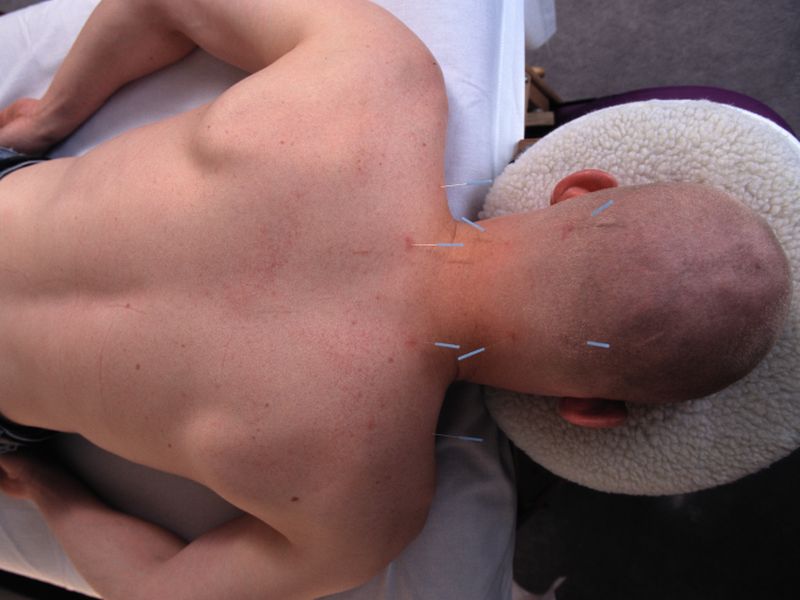
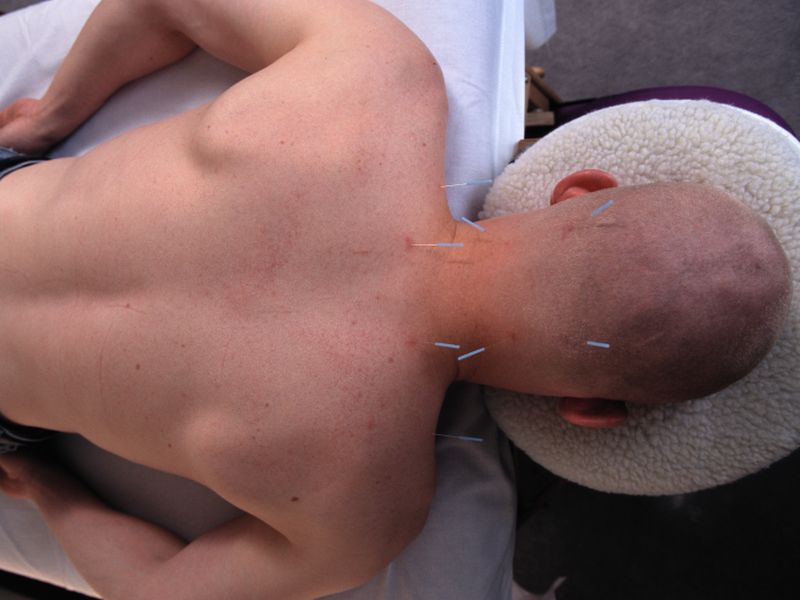
Americans spend a good chunk of their healthcare dollars on alternative medicine, such as acupuncture, yoga, chiropractic care and natural supplements, a new government report shows.
In fact, they paid more than $30 billion out of pocket in 2012 on chiropractors and other complementary health practitioners, as well as supplements and other forms of alternative medicine.
“Substantial numbers of Americans spent billions of dollars out of pocket on these approaches — an indication that users believe enough in the value of these approaches to pay for them,” said study co-author Richard Nahin.
He is lead epidemiologist at the U.S. National Center for Complementary and Integrative Health.
Expenditures in 2012 included:
$14.7 billion out of pocket on visits to complementary practitioners such as chiropractors, yoga instructors, acupuncturists or massage therapists — nearly 30 percent of what people spent on traditional medical services.
$12.8 billion on natural product supplements, which was about one-quarter of what people spent on prescription drugs.
$2.7 billion on books, CDs, videos and other self-help materials related to complementary health.
Overall, spending on complementary medicine amounted to just over 9 percent of out-of-pocket healthcare expenditures and about 1 percent of all money spent on healthcare in the United States, the researchers found.
Most of this alternative healthcare is being used by adults, not children, the report found. The researchers said about $28 billion was spent on adults, compared with just $1.9 billion for children.
Even people with lower incomes spend quite a bit on complementary medicine, according to the report published Wednesday in the National Health Statistics Reports.
Nahin and his colleagues found that families making less than $25,000 a year spent, on average, $314 out of pocket on visits to complementary health practitioners in 2012, and an average $389 on natural supplements.
“That’s telling us that even people with low incomes are willing to spend a substantial amount on these products and interventions,” Nahin said.
Families earning much higher incomes — $100,000 or more a year — spent an average of $518 on complementary practitioners and an average of $377 on supplements, the findings showed.
Other data suggests that there are trends within complementary medicine regarding the popularity of different approaches.
For example, Nahin explained, the use of yoga has increased dramatically, while chiropractic care and massage therapy has remained level.
“Yoga is going up because it’s more accepted in the culture, and it’s being used for lifestyle changes and as a form of low-impact exercise,” Nahin said.
But while people use yoga to promote wellness and well-being, they use chiropractic care and acupuncture as a treatment for a medical condition, most often chronic pain, he said.
“If you look at data on back pain across the last 10 years, it’s been fairly flat,” Nahin said. “It hasn’t changed, so perhaps use of these types of practitioners that treat back pain wouldn’t change.”
While it remains a multibillion-dollar industry, the use of natural supplements has decreased a bit, Nahin said, possibly due to increased attention from health researchers regarding these products.
Sales of fish oil supplements have increased fourfold since 2002, based on studies showing the heart health benefits of omega 3 fatty acids, Nahin pointed out. However, research that found no substantial benefit from echinacea and ginkgo biloba has likely helped drive down sales of those particular supplements.
According to Stephanie Romanoff, communications director for the Academy of Integrative Health & Medicine, consumer demand for complementary medicine has caused more researchers to look into how well these approaches work, which in turn has provided consumers with better information.
“Integrative medicine is not going to have the same funding as pharmaceuticals do, but because of the consumer demand and increased interest from academia and our national government in integrative medicine and health, there has been an increase in research,” Romanoff said. “And increasingly, there’s more research validating the value of these approaches.”
People interested in trying chiropractic, acupuncture or some other form of complementary medicine should talk about it with their doctor, and make sure there is clear coordination between their primary care physician and their complementary medicine providers, Romanoff said.
“If someone is taking supplements or if they are seeing a different type of clinician, sometimes they don’t want to talk with their primary care medical doctor about it because they might feel self-conscious,” she said. “It’s absolutely critical that patients have those conversations and tell their doctors about the different types of care they’re receiving and demand that there is coordination.”
Your doctor might even be able to point you to a properly accredited provider, particularly if your doctor is board-certified in integrative medicine, Romanoff added.
“Ask your primary care doctor for recommendations. That’s how I find many of my best clinicians,” she said.