
Patient Presentation
A 38-year-old woman with a body mass index (BMI) of 22 visited the Neurosurgery Department at PACE Hospitals, Hitech City, Hyderabad, complaining of persistent lower back pain accompanied by left-sided leg pain (radiculopathy) for approximately one month.
Initially, the discomfort occurred mainly during physical activity. However, over the previous week the pain had intensified and started occurring even while resting, significantly affecting her comfort and daily activities. The patient did not report symptoms such as limb weakness, numbness, tingling sensations, or urinary disturbances.
Medical History
The patient had a known history of epilepsy, which was well controlled with medication. No other major medical conditions were reported.
Clinical Examination
During evaluation, the patient was alert, oriented, and in stable condition. She appeared moderately built and well nourished. Examination of the cardiovascular and respiratory systems showed normal findings, and abdominal assessment revealed no abnormalities.
A neurological examination of the lower limbs showed normal muscle strength and sensation on both sides. However, the Straight Leg Raising Test (SLRT) was positive on the left side at 60 degrees, indicating possible irritation of a nerve root in the lumbar spine.
Diagnostic Assessment
Following admission, the neurosurgery team performed a thorough clinical assessment along with diagnostic investigations.
Laboratory Tests
Routine preoperative investigations included:
-
Complete blood count (CBC)
-
Platelet count
-
Thyroid function tests (T3, T4, and TSH)
-
Viral screening for HIV, Hepatitis B, and Hepatitis C
-
Coagulation profile including prothrombin time and INR
All results were within normal limits except for mild leukocytosis, which was clinically monitored.
Imaging Studies
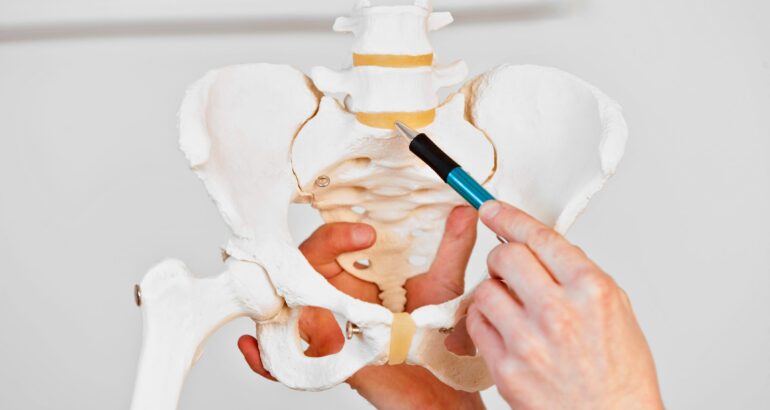
Magnetic Resonance Imaging (MRI) of the lumbosacral spine confirmed the presence of an intervertebral disc prolapse at the L5–S1 level.
Based on these findings, the patient was diagnosed with symptomatic lumbar disc herniation and was advised to undergo specialized treatment at the neurosurgery department.
Medical Decision-Making
After evaluation by Dr. U.L. Sandeep Varma, Consultant Neurosurgeon, the patient was diagnosed with L5–S1 intervertebral disc prolapse causing persistent radiculopathy.
Because the patient’s symptoms were severe, persisted even at rest, and did not respond adequately to conservative treatment options, surgical management was recommended.
The neurosurgical team determined that a minimally invasive L5–S1 laminectomy with discectomy performed under general anesthesia would be the most suitable procedure to relieve pressure on the affected nerve root.
The patient and her family were thoroughly informed about:
-
The nature of the condition
-
Details of the surgical procedure
-
Expected recovery outcomes
-
Postoperative care instructions
-
Importance of medication adherence
-
Need for regular follow-up visits
Surgical Procedure
The patient underwent minimally invasive L5–S1 laminectomy and discectomy at PACE Hospitals under the supervision of the neurosurgery team.
Key Surgical Steps
Preoperative Preparation
The patient was positioned appropriately, and strict sterile precautions were followed. The surgical area was cleaned and draped, and fluoroscopy was used to accurately identify the L5–S1 level.
Incision and Exposure
A small vertical incision was made along the midline of the lower back. Careful dissection was performed to expose the L5–S1 interlaminar space.
Laminotomy and Ligament Removal
A laminotomy of the L5 vertebra was performed. The ligamentum flavum was then removed to allow clear visualization of the dura and the S1 nerve root.
Discectomy
A protruding disc compressing the nerve root was identified. The herniated disc material was carefully removed in small fragments until adequate decompression was achieved and the nerve root appeared relaxed and pulsatile.
Closure
After ensuring proper hemostasis, the surgical site was closed layer by layer, and a sterile dressing was applied.
Postoperative Care
The patient’s recovery following surgery was smooth and uneventful. She was shifted to her hospital room approximately four hours after the procedure.
The patient reported significant relief from pain, and neurological examination showed normal motor function in both lower limbs.
She was advised to continue prescribed medications and follow postoperative precautions to support recovery.
Medications at Discharge
At the time of discharge, the surgical wound was healthy and healing well. The patient’s vital signs were stable, and muscle strength in both legs was recorded as 5/5.
She was prescribed medications for:
-
Infection prevention
-
Neuropathic pain management
-
Gastric protection
-
Anti-inflammatory therapy
-
Nerve health support
Discharge Instructions
The patient was advised to gradually resume routine daily activities such as walking and climbing stairs.
However, certain precautions were recommended, including:
-
Avoiding heavy physical activity
-
Limiting prolonged sitting to less than one hour at a time
-
Following medication schedules strictly
-
Attending scheduled follow-up visits
Emergency Guidelines
The patient was instructed to contact the emergency department at PACE Hospitals if she experienced symptoms such as:
-
Fever
-
Wound discharge
-
Severe or increasing pain
-
Weakness in the limbs
Follow-Up Plan
A postoperative follow-up visit was scheduled two weeks after surgery for wound evaluation and further neurological assessment.
Outcome and Conclusion
This case demonstrates a successful treatment of L5–S1 intervertebral disc prolapse with left-sided radiculopathy through minimally invasive laminectomy and discectomy.
The surgery effectively relieved pressure on the affected nerve root, resulting in significant pain reduction and restoration of normal motor strength. The patient was discharged in stable condition with improved comfort and clear postoperative care instructions.
Surgical Management of Lumbar Disc Herniation
Lumbar disc prolapse, particularly at the L5–S1 level, is a common cause of chronic lower back pain and radiating leg pain. When conservative treatments such as medication and physiotherapy fail to relieve symptoms, surgical decompression may be required.
Minimally invasive laminectomy and discectomy allow surgeons to access the affected nerve root through a small incision while preserving surrounding tissues and spinal structures. This approach reduces surgical trauma, lowers postoperative pain, and often results in faster recovery.
Successful outcomes also depend on proper postoperative care. Patients are typically encouraged to start gentle walking early during recovery while avoiding heavy lifting and prolonged sitting. Regular follow-up visits with the neurosurgeon help monitor healing, nerve recovery, and functional improvement.
With appropriate surgical intervention, adherence to medications, and gradual lifestyle adjustments, most patients experience substantial relief from radicular pain and improved quality of life after treatment.