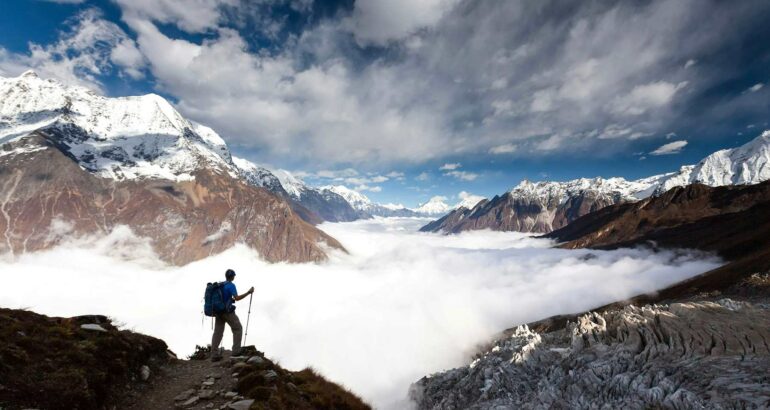
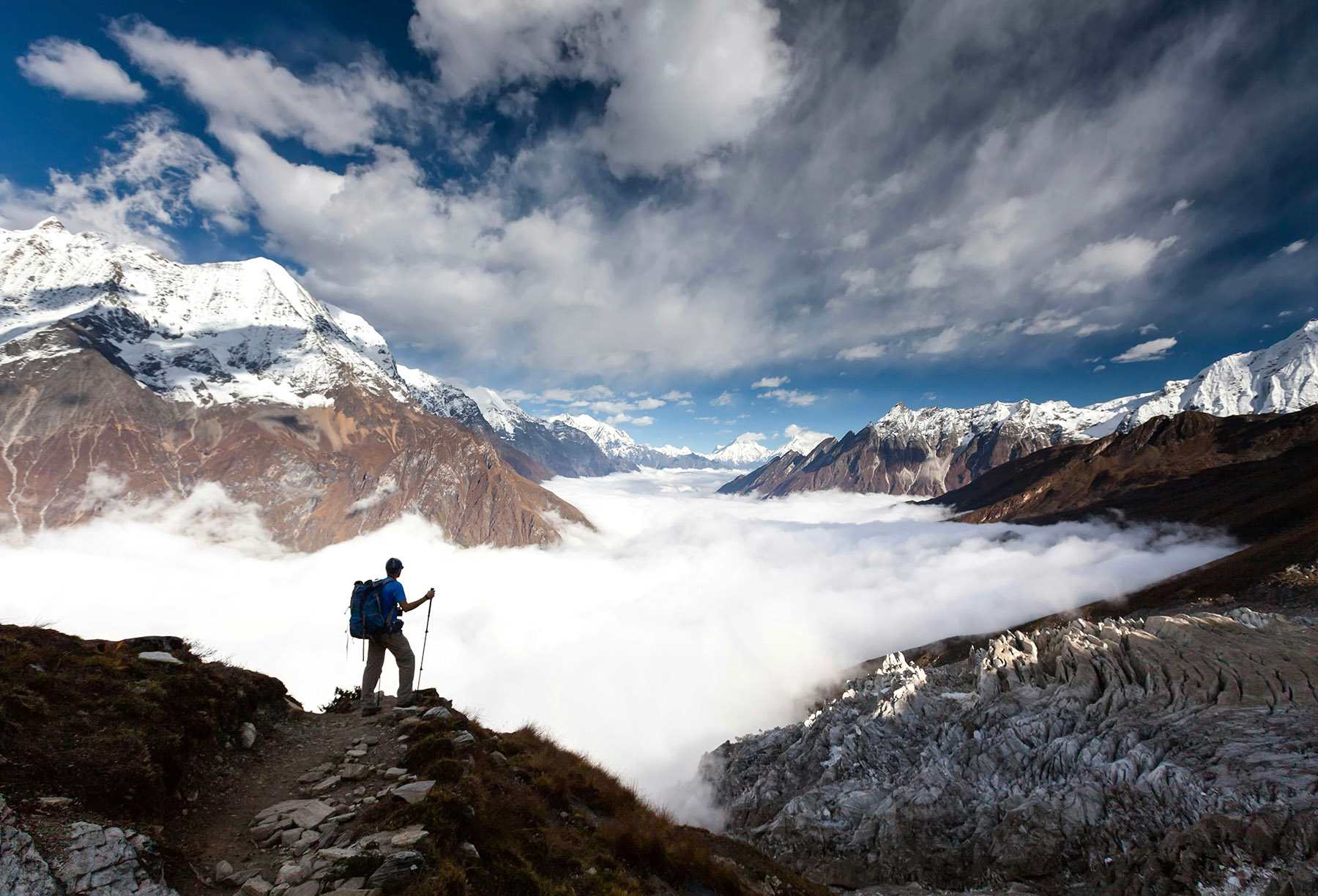
If you’ve ever explored high-altitude destinations like Machu Picchu or climbed Mount Kilimanjaro, you may have experienced altitude sickness. Even skiing on very high mountain slopes can trigger similar symptoms.
Altitude sickness is surprisingly common. Research suggests that around 25% of travelers begin to show symptoms at elevations of about 8,000 feet (2,400 meters). In mild cases, it can simply make you feel unwell and disrupt your travel plans. However, severe forms can become dangerous—and in rare cases, life-threatening.
If your travel plans include high mountains or elevated destinations, understanding how to prevent and respond to altitude sickness is essential.
What Is Altitude Sickness?
Altitude sickness is a general term used to describe several health conditions caused by reduced oxygen levels at high elevations.
As you climb higher, the air becomes thinner, meaning there is less oxygen available for your body. This change can lead to a range of symptoms, including:
-
Headaches
-
Loss of appetite
-
Nausea or vomiting
-
Diarrhea
-
Fatigue
-
Abdominal discomfort
Symptoms can appear within a few hours of ascending and may last anywhere from 12 hours to several days depending on how well your body adapts.
The Three Main Types of Altitude Illness
Altitude sickness can appear in different forms, ranging from mild discomfort to severe medical emergencies.
Acute Mountain Sickness (AMS)
This is the most common and mildest form of altitude illness.
Symptoms often resemble those of a hangover and may include:
-
Headache
-
Tiredness
-
Nausea
-
Loss of appetite
-
Occasional vomiting
Most cases improve within 24–72 hours as your body begins to adjust to the altitude.
High Altitude Cerebral Edema (HACE)
HACE occurs when fluid begins to accumulate in the brain due to altitude exposure. Although rare, it is extremely serious.
Symptoms may include:
-
Severe headache
-
Dizziness
-
Blurred vision
-
Confusion or disorientation
Because individuals with HACE may struggle to keep fluids down, dehydration can worsen the condition. Immediate descent to lower altitude is the only reliable treatment, and the condition can become life-threatening within hours.
High Altitude Pulmonary Edema (HAPE)
HAPE involves fluid buildup in the lungs and usually occurs at higher elevations.
Early signs may include:
-
Persistent dry cough
-
Shortness of breath during light activity
More severe symptoms include:
-
Difficulty breathing even at rest
-
Confusion
-
Fever
HAPE can affect anyone—even well-trained athletes—and requires urgent descent and oxygen treatment.
How to Prevent Altitude Sickness
The good news is that several precautions can significantly reduce your risk.
Before Your Trip
Consult a Healthcare Professional
If you have underlying health conditions, altitude exposure could pose additional risks. It’s wise to speak with a medical professional before planning high-altitude activities.
Stay Well Hydrated
Drinking 2–3 liters of water daily before your trip helps your body prepare for the reduced oxygen levels at altitude. Dehydration can make acclimatization more difficult.
Maintain Your Usual Caffeine Intake
If you regularly drink coffee, don’t suddenly stop before your trip. Caffeine withdrawal symptoms can resemble altitude sickness, including headaches and fatigue.
Avoid Alcohol and Sedatives
For the first two to three days at higher elevation, avoid alcohol and medications that cause drowsiness. These substances can interfere with your body’s ability to adjust to altitude.
Don’t Travel While Sick
Even a mild cold at sea level can become problematic at high altitude. Your lungs already work harder in thin air, so respiratory illness can make adjustment more difficult.
Consider Preventive Medication
Doctors sometimes prescribe Acetazolamide to help prevent altitude sickness. This medication helps your body use oxygen more efficiently and encourages faster breathing.
It should usually be started about 24 hours before ascending. However, it may cause side effects such as:
-
Increased urination
-
Tingling in the hands or feet
-
Mild dizziness
Always consult a healthcare provider before taking it. In some cases, alternatives like Ibuprofen may help relieve symptoms.
Pack Easy-to-Eat Snacks
Eating regularly is important at high altitude, even if your appetite decreases. Simple snacks such as pretzels or chocolate can provide quick energy and are often easier to tolerate than heavy or spicy foods.
Tips During Your Trip
Ascend Gradually
The most effective way to avoid altitude sickness is to climb slowly.
A common recommendation is:
-
Spend one or two nights around 8,000 feet before climbing higher
-
Increase altitude by no more than 1,600 feet per day
This allows your body time to adapt.
Follow the Rule: “Climb High, Sleep Low”
Many climbers follow a simple rule—climb to higher elevations during the day but return to a lower altitude to sleep. This helps your body adjust more comfortably.
If you develop symptoms, never sleep at a higher elevation—descend first.
Drink Plenty of Fluids
Regular hydration is important at altitude. A simple indicator is urination frequency. If you haven’t urinated in three to four hours, you may need to drink more fluids.
Protect Yourself From the Sun
Sun exposure increases significantly at high altitude. Protect yourself with:
-
Sunscreen
-
Sunglasses
-
Lip protection
-
A hat
This also helps prevent conditions like snow blindness.
Monitor Children Carefully
Children can develop altitude sickness just like adults. In younger children who cannot describe symptoms, watch for signs such as:
-
Irritability
-
Loss of appetite
-
Unusual fatigue
What to Do If Symptoms Start
Even with preparation, mild altitude sickness can still occur. If you experience symptoms like headache or mild breathlessness, try the following:
-
Drink water or electrolyte fluids
-
Take **Ibuprofen if appropriate
-
Slow your pace when walking or climbing
A useful breathing rhythm is:
Step, step… breathe… step, step… breathe
Simply reducing your speed often helps relieve symptoms.
When to Descend Immediately
If symptoms persist or become severe—especially confusion, difficulty breathing, or severe headaches—the safest response is immediate descent.
Never attempt to “sleep off” altitude sickness. Descending to lower elevation can be life-saving.
Remember: the mountain will always be there, but your health must come first.