
If you’ve been trying to conceive without success, it’s completely natural to feel anxious and full of questions. One important step in identifying the cause of infertility is a procedure known as the lap dye test — a reliable and minimally invasive method that gives doctors a clear picture of your reproductive health.
Let’s walk through what this test involves, why it matters, and how it can help guide your fertility journey.
What Is a Lap Dye Test?
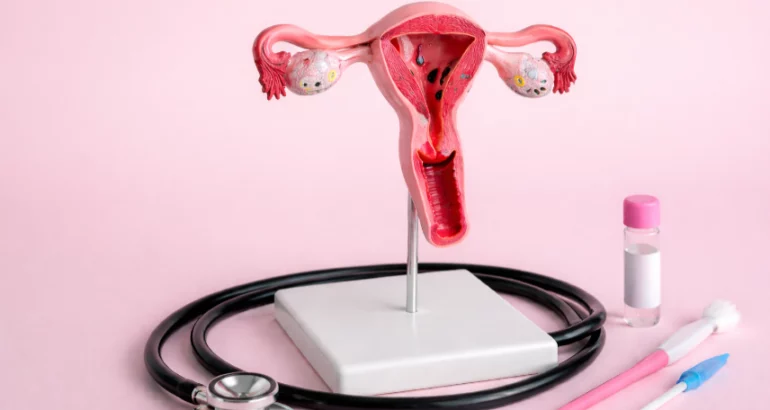
A lap dye test, medically called Chromopertubation, is a diagnostic procedure used to examine the fallopian tubes and surrounding pelvic organs.
It is often recommended when initial fertility investigations haven’t provided clear answers.
During the procedure:
-
A thin camera (laparoscope) is inserted into the abdomen through tiny incisions.
-
The uterus, ovaries, and fallopian tubes are carefully examined.
-
A colored dye is injected into the uterus.
-
The doctor observes whether the dye flows freely through the fallopian tubes.
If the dye passes through easily, the tubes are open (patent). If the dye is blocked, it may indicate a tubal obstruction — one of the common causes of infertility.
Why Is the Lap Dye Test Important?
This procedure is considered one of the most accurate ways to diagnose tubal infertility. It provides detailed visual information that other imaging tests sometimes cannot.
Here’s why it’s especially valuable:
✔ Detects Fallopian Tube Blockages
Blocked tubes can prevent sperm from reaching the egg, making natural conception difficult.
✔ Evaluates Overall Pelvic Health
It can reveal conditions such as:
-
Endometriosis
-
Ovarian cyst
-
Uterine fibroids
-
Pelvic adhesions or scarring
✔ Offers Treatment at the Same Time
In some cases, minor issues like small adhesions or cysts can be treated during the same procedure — potentially improving fertility outcomes immediately.
What Happens During the Procedure?
The lap dye test is usually performed as a day-care (same-day discharge) procedure.
Here’s what you can expect:
Preparation
You’ll be asked to fast for several hours before the procedure. Your doctor will give specific instructions tailored to you.
Anaesthesia
The test is done under general anaesthesia, so you’ll be completely comfortable and asleep.
The Procedure
-
1–2 small incisions are made near the belly button.
-
A laparoscope is inserted to view the pelvic organs.
-
Carbon dioxide gas is used to gently expand the abdomen for better visibility.
-
Dye is injected into the uterus to assess tubal patency.
Recovery
After monitoring in recovery, most women go home the same day. You may experience:
-
Mild bloating
-
Light cramping
-
Temporary shoulder discomfort (from the gas)
These symptoms typically settle within a day or two.
Benefits of This Minimally Invasive Approach
Compared to traditional surgery, the lap dye test offers significant advantages:
🌿 Faster Recovery
Small incisions mean less tissue trauma and quicker healing.
🌿 Less Pain
Minimal disruption to surrounding tissues reduces discomfort.
🌿 High Accuracy
Direct visualization provides precise diagnosis of tubal and pelvic conditions.
🌿 Dual Purpose
Diagnosis and minor corrective treatment can happen in one session.
🌿 No Overnight Hospital Stay
Most patients return home the same day.
Who Should Consider a Lap Dye Test?
Your gynaecologist may recommend this procedure if you:
-
Have been trying to conceive for over a year without success
-
Have unexplained infertility
-
Have a history of pelvic surgery (risk of adhesions)
-
Are suspected of having blocked fallopian tubes
-
Are preparing for fertility treatments like In vitro fertilization (IVF)
A thorough evaluation can help ensure the most appropriate fertility plan moving forward.
Are There Any Risks?
The lap dye test is generally very safe. As with any procedure involving anaesthesia, small risks exist, including:
-
Minor infection at incision sites
-
Rare bleeding
-
Anaesthesia-related complications
However, complications are uncommon, and the diagnostic value often outweighs the minimal risks — especially when investigating infertility.
Comprehensive Women’s Care at Peerless Hospital
At Peerless Hospital, women’s health is approached with compassion and clinical excellence. The Department of Gynaecology and Obstetrics provides comprehensive care tailored to each patient’s unique journey.
Services include:
-
Normal and Caesarean deliveries
-
High-risk pregnancy care
-
Antenatal counselling
-
Painless labour options
-
Advanced neonatal care
For gynaecological conditions, the hospital emphasizes minimally invasive solutions such as:
-
Laparoscopic myomectomy
-
Hysterectomy
-
Ovarian cystectomy
-
Hysteroscopy
The lap dye test is an essential part of the hospital’s fertility assessment pathway. In addition to diagnostic services, the fertility team provides treatments such as:
-
Intrauterine insemination (IUI)
-
IVF and other assisted reproductive techniques
The hospital’s day-care units also handle procedures across multiple specialties, ensuring safe, efficient care.
Taking the Next Step
If you’ve been facing fertility challenges, remember: you’re not alone — and answers are possible.
A lap dye test can provide clarity, direction, and sometimes even immediate corrective treatment. Early evaluation often leads to better outcomes and a more confident path forward.
If you have concerns about your reproductive health, speaking with a qualified gynaecologist is the best place to begin.