Managing a chronic condition like high blood pressure can feel overwhelming. Appointments, medications, monitoring—it’s a lot to juggle. But better outcomes happen when patients and providers work together, and healthcare systems are finding smarter ways to stay connected.
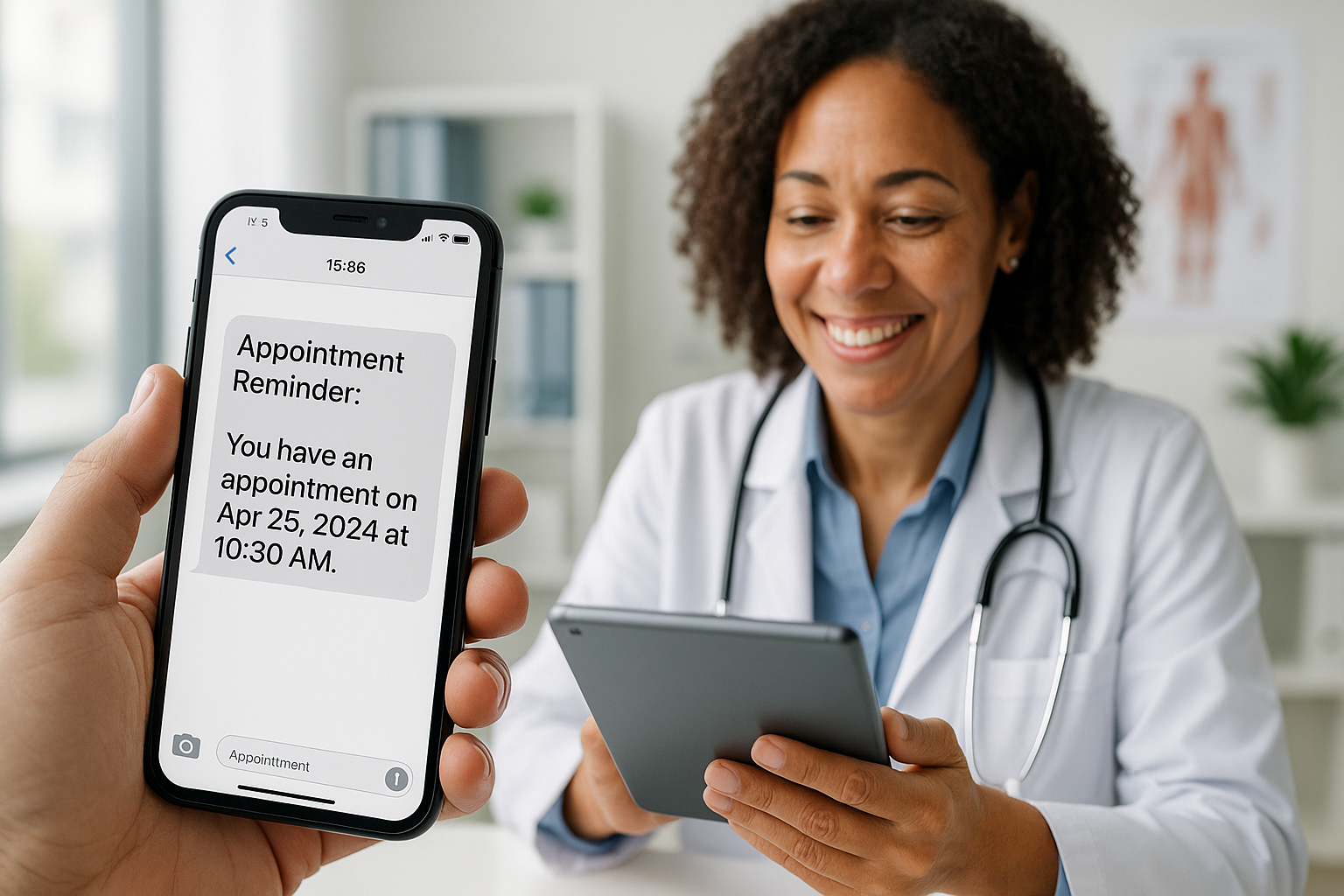
A recent study led by the MedStar Health Research Institute and published in Frontiers in Health Services highlights how a simple two-way texting program is helping patients manage hypertension more effectively—without requiring extra clinic visits.
Table of Contents
ToggleWhy Texting?
Traditional outreach methods weren’t working well.
Phone calls from a doctor’s office can feel unexpected—or even intimidating. Many patients don’t answer. Reaching thousands of people by phone required enormous staff time and often yielded limited results.
Text messaging offered something different:
-
It gives patients control over when and how they respond.
-
It feels less intrusive.
-
It reaches people who may not regularly attend in-person visits.
Research shows that individuals who are less engaged in traditional healthcare settings are often more likely to respond to text messages than phone calls.
Reaching 10,000 Patients at Once
The pilot program focused on 10,753 MedStar Health patients whose medical records suggested their blood pressure was not under control.
Using a secure two-way platform called Twistle, patients received a message asking them to submit a recent home blood pressure reading. If they didn’t reply, reminders were sent two days later and again one week after the initial message.
The results were powerful.
-
1,942 patients (18%) reported normal readings, allowing care teams to update records and confirm they were managing well.
-
49 patients reported dangerously high or low readings and were immediately contacted for same-day appointments—interventions that may have prevented heart attacks or strokes.
-
Patients who did not respond continued receiving follow-up from their primary care teams.
In essence, the texting system acted like a filter—helping providers quickly identify who needed urgent attention and who was already stable.
Even more impressive: the text-based strategy reached more than twice as many patients as phone outreach, using nearly five times less staff time.
The Bigger Picture: Why Hypertension Matters
High blood pressure is often called the “silent killer” because it typically shows no obvious symptoms. Yet it remains one of the leading causes of heart disease, stroke, kidney failure, and other serious conditions.
According to the Centers for Disease Control and Prevention:
-
Nearly 48% of U.S. adults have high blood pressure.
-
Only 22.3% have it under control.
-
Around 34 million adults who should be on medication are either untreated or not filling prescriptions.
Hypertension does not affect all communities equally. Men are more likely to have it than women, and Black adults are disproportionately affected compared to other racial and ethnic groups. Barriers such as transportation, cost, work schedules, education gaps, and trust in healthcare systems all contribute to disparities.
Programs like this texting initiative aim to reduce those barriers by meeting patients where they are.
Innovation Through Teamwork
The success of this effort was not accidental—it required collaboration across multiple teams at MedStar Health:
-
MedStar Institute for Innovation provided the technical infrastructure for the two-way texting system.
-
Care Transformation Organization deployed 70 care managers who responded to patient messages and coordinated follow-up.
-
National Center for Human Factors in Healthcare analyzed results and led research dissemination.
-
Family medicine physicians and specialists continued providing clinical care and treatment guidance.
Together, they created a system that blends technology with human support.
From Pilot to Ongoing Practice
What began as a pilot has now become a sustained part of care delivery.
The success of this hypertension outreach has led to additional text-based campaigns for:
-
Cancer screening reminders
-
A1C checks for diabetes management
-
Pre-appointment lab coordination
By 2030, MedStar Health expects to send hundreds of thousands of targeted messages, helping more patients stay engaged and proactive about their health.
Text reminders are now aligned with upcoming appointments, encouraging patients to complete necessary tests beforehand—making office visits more meaningful and productive.
A New Model of Care
This approach represents something larger than a texting program. It reflects a shift toward patient-centered, tech-enabled healthcare that respects people’s time and circumstances.
Instead of waiting for patients to walk through clinic doors, care teams can now reach them in the palm of their hand.
Small messages. Big impact.
By making communication simpler and more accessible, healthcare providers are helping patients take greater control of their health—one text at a time.
If you’d like, I can also adapt this into a shorter newsletter version or a patient-friendly explainer for clinic websites.