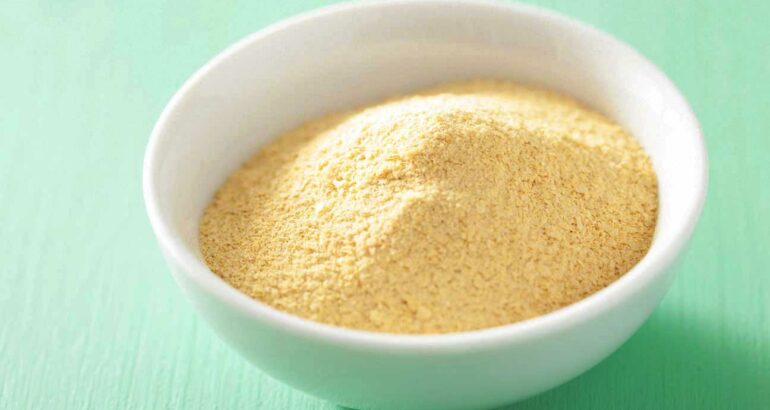
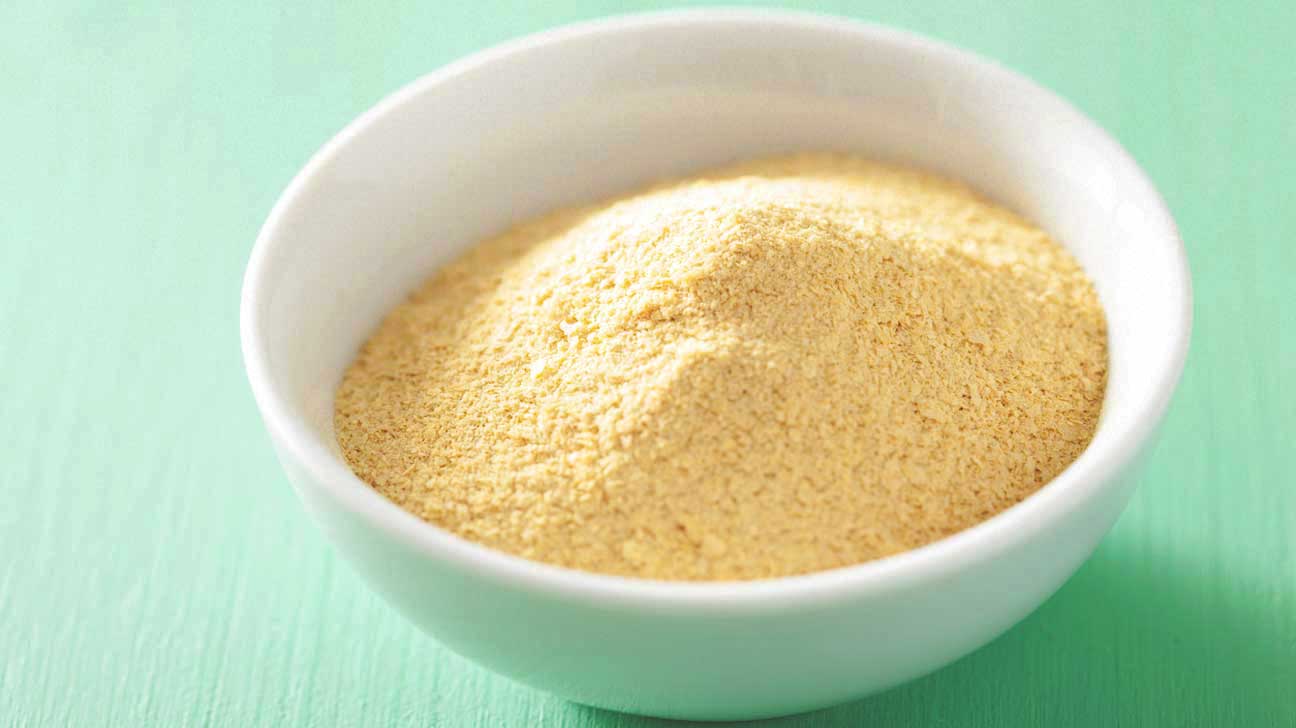
If you’ve explored plant-based eating, chances are you’ve come across nutritional yeast—often called “nooch.” This golden, flaky ingredient is loved for its cheesy, savoury taste and its ability to boost both flavour and nutrition, especially in dairy-free diets.
But beyond taste, nutritional yeast stands out for its protein content, rich supply of B-vitamins, and potential benefits for gut and immune health. That said, not all versions are equal—fortified varieties offer far more nutrients than unfortified ones, making label-checking essential.
Table of Contents
ToggleWhat Is Nutritional Yeast?
Nutritional yeast is an inactive form of Saccharomyces cerevisiae. It’s grown on sugar-rich sources like molasses, then heat-treated to deactivate it. This means it won’t ferment or act like baking yeast.
It’s available in flakes, powder, or granules and is used purely as a food ingredient—not for baking or brewing.
Why It’s Called “Nooch”
“Nooch” is simply a nickname popular in the plant-based community. It’s short, catchy, and widely used in recipes and online discussions.
Nutritional Value at a Glance
A typical serving (about 2 tablespoons or 15g) provides:
- Calories: 40–60 kcal
- Protein: 5–8g
- Fibre: 2–4g
- B-vitamins: Especially high in fortified versions
- Minerals: Zinc, magnesium, phosphorus
Important: Vitamin B12 is only present in fortified products.
Fortified vs Unfortified
- Unfortified: Contains natural nutrients but in smaller amounts
- Fortified: Enriched with vitamins—especially B12 and other B-complex vitamins
If you’re using nutritional yeast for B12 or energy support, fortified options are the better choice.
Key Benefits of Nutritional Yeast
1. A Convenient Plant-Based Protein
Nutritional yeast is often considered a complete protein, meaning it contains all nine essential amino acids. While it shouldn’t replace major protein sources, it’s a valuable addition—especially for vegetarians and vegans.
2. Rich in B-Vitamins
Fortified nutritional yeast is one of the best plant-based sources of B-vitamins, which support:
- Energy production
- Brain and nerve function
- Red blood cell formation
- Skin and metabolic health
Vitamin B12 is particularly important, as it’s usually found only in animal products.
3. Supports Gut Health
It contains prebiotic fibres like beta-glucan and alpha-mannan, which help feed beneficial gut bacteria. A healthy gut microbiome supports digestion and overall wellbeing.
4. May Boost Immunity
Beta-glucan may also support immune response by stimulating certain immune cells. While not a treatment, it can contribute to overall immune health as part of a balanced diet.
5. Provides Antioxidants
Compounds like glutathione help protect cells from oxidative stress, supporting long-term health.
Is Nutritional Yeast Right for Everyone?
Who benefits most:
- Vegans and vegetarians
- People avoiding dairy
- Anyone looking to add nutrients without extra calories
Who should be cautious:
- Individuals with yeast allergies
- People with inflammatory bowel conditions
- Those on MAOI medications
- Individuals sensitive to tyramine or glutamate
If you have health concerns, it’s best to consult a doctor before adding it regularly.
Can You Eat It Daily?
Yes, most people can safely consume nutritional yeast daily in moderate amounts (1–2 tablespoons). However, fortified versions can contain high levels of certain vitamins like niacin, so moderation is important.
Easy Ways to Use Nutritional Yeast
Its cheesy, umami flavour makes it incredibly versatile:
- Sprinkle over popcorn
- Add to pasta instead of cheese
- Mix into soups and sauces
- Stir into dips for creaminess
- Top salads or roasted vegetables
- Add to tofu scrambles or eggs
A little goes a long way, so start small.
Simple Recipe Ideas
- Nooch popcorn: Olive oil + nutritional yeast + salt
- Vegan cheese sauce: Blend with cashews, garlic, lemon, and plant milk
- Soup booster: Stir into blended soups
- Pasta seasoning: Mix with herbs and garlic powder
- Salad topper: Sprinkle over greens
How to Choose the Best Nutritional Yeast
When buying, look for:
- Fortified vs unfortified (based on your needs)
- Minimal ingredients
- Clear B12 content (if important)
- Low sodium options
- Preferred form (flakes for topping, powder for blending)
Final Thoughts
Nutritional yeast is a simple yet powerful addition to your diet. It delivers flavour, protein, fibre, and essential vitamins—especially in fortified forms. While it’s not a miracle food, it can play a valuable role in a balanced, nutrient-rich diet.
Use it as a seasoning, not a supplement, and combine it with a variety of whole foods for the best results.