If you want your child to grow up confident, happy, and capable, one of the simplest things you can do is also the most powerful—play with them. For infants and toddlers, play isn’t just fun; it’s essential for healthy development and emotional connection.
Table of Contents
ToggleWhy Play Is Crucial in Early Childhood
During the first few years of life, a child’s brain develops at an extraordinary pace. Millions of neural connections are formed, and over time, the brain refines these pathways to function more efficiently. This process shapes how a child thinks, learns, and interacts with the world.
While genetics play a role, a child’s environment and daily experiences are just as important. Loving, responsive interactions with caregivers are key—and play is one of the best ways to provide that.
The Power of “Serve and Return”
Child development experts often describe healthy interaction as “serve and return.” It’s a simple idea: your child does something (a smile, a sound, a gesture), and you respond. This back-and-forth builds emotional security and strengthens brain development.
Play naturally encourages this kind of interaction. Whether your baby coos or your toddler laughs, your response helps them feel seen, heard, and understood.
How to Make Play More Meaningful
To get the most out of playtime:
- Be fully present: Put distractions aside and focus on your child.
- Engage back and forth: Respond to their sounds, actions, and expressions.
- Match their stage: Choose activities that suit their age and abilities.
It doesn’t have to be perfect—what matters is connection.
Play Ideas for Babies (6–9 Months)
At this stage, babies begin exploring movement, imitation, and early communication.
Try activities like:
- Peek-a-boo or patty-cake
- Hiding toys under a cloth and “finding” them
- Simple back-and-forth sounds and “conversations”
- Copying actions like clapping or sticking out tongues
- Singing action songs like Itsy Bitsy Spider
- Playing with objects—dropping, stacking, or moving toys
These games help build language, memory, and motor skills.
Play Ideas for Toddlers (12–18 Months)
Toddlers are more active and curious, with growing language skills.
You can:
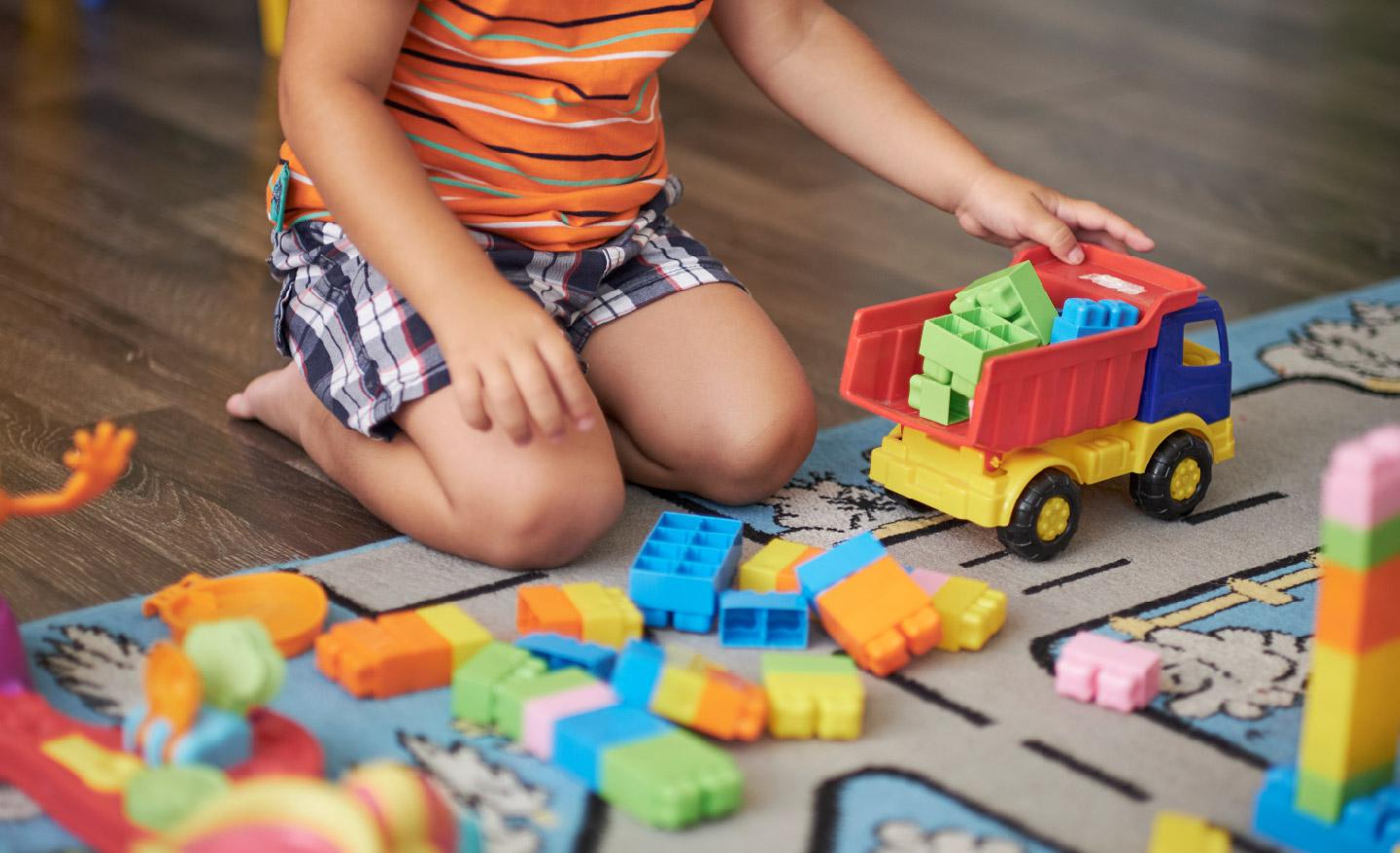
- Build and knock down blocks together
- Pretend play with dolls or toy phones
- Create simple forts with pillows and blankets
- Play basic hide-and-seek
- Sing interactive songs like If You’re Happy and You Know It
- Explore the world—walks, errands, or even grocery trips
Talking to your child during these activities—even using words they don’t yet understand—supports language development over time.
Activities for Older Toddlers (2–3 Years)
As children grow, their play becomes more complex.
Encourage:
- Sorting, matching, and counting games
- Movement-based games like “follow the leader”
- Creative and imaginative play
This stage is great for building problem-solving skills and creativity.
Make Time for Play
It’s easy to get caught up in daily tasks, but playtime is never wasted time. You can even involve your child in simple chores to make them more engaging.
What matters most is enjoying the moment together. These shared experiences strengthen your bond and create a sense of joy and security.
Final Thoughts
Playing with your child isn’t just about keeping them entertained—it’s an investment in their future. It supports brain development, builds emotional connections, and helps shape who they become.
And along the way, it brings something just as valuable: happiness for both of you.