
Introduction
Observed every year on April 25, World Malaria Day is a global effort to raise awareness and accelerate action against one of the world’s most persistent infectious diseases. For countries like India, where malaria remains a public health concern, this day highlights the importance of prevention, early detection, and timely treatment.
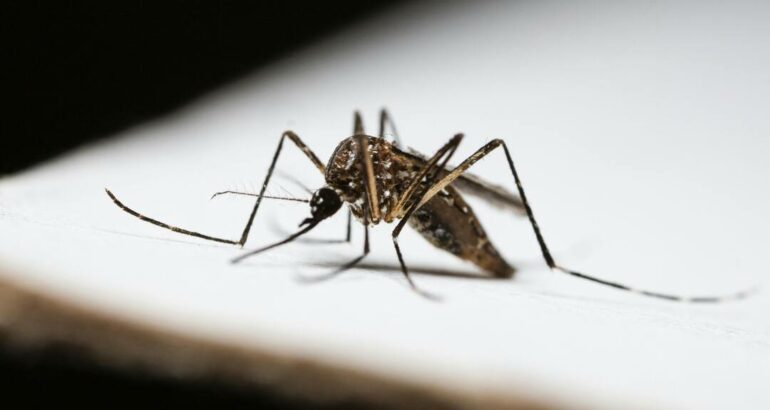
Malaria is a serious mosquito-borne illness caused by parasites transmitted through the bite of an infected female Anopheles mosquito. It often begins with flu-like symptoms—fever, chills, headaches, and fatigue—but can quickly escalate into severe complications if left untreated.
The good news? Malaria is both preventable and treatable. With early diagnosis and proper care, most people recover completely.
World Malaria Day 2026 Theme
The 2026 theme—“Driven to End Malaria: Now We Can. Now We Must.”—is a strong call for urgent and collective action.
It emphasizes:
- Protecting vulnerable populations
- Expanding access to early diagnosis
- Ensuring timely and effective treatment
- Increasing awareness and community participation
The message is clear: eliminating malaria is possible, but only with sustained effort and commitment.
Why World Malaria Day Matters
Established by the World Health Organization in 2007, World Malaria Day evolved from Africa Malaria Day into a global movement. Its purpose is to:
- Spread awareness about prevention and treatment
- Encourage regular health checkups
- Promote investment in healthcare systems
- Push toward a malaria-free future
It serves as a reminder that consistent action can significantly reduce the burden of this disease.
Malaria vs Dengue: Key Differences
Malaria and dengue are often confused because both are mosquito-borne illnesses with similar early symptoms. However, they differ in cause and treatment.
Dengue:
- Caused by the dengue virus
- Spread by Aedes aegypti mosquitoes (active during the day)
- Breeds in clean, stagnant water
Malaria:
- Caused by Plasmodium parasites
- Spread by Anopheles mosquitoes (active at night)
- Parasites infect the liver and red blood cells
Correct diagnosis is essential because treatment approaches are completely different.
What Causes Malaria?
Malaria is caused by Plasmodium parasites transmitted through mosquito bites. Once inside the body, the parasites multiply in the liver and then infect red blood cells.
The five main types include:
- P. falciparum
- P. vivax
- P. ovale
- P. malariae
- P. knowlesi
Though rare, malaria can also spread through:
- Blood transfusions
- Organ transplants
- Shared needles
- Mother-to-child transmission
Common Symptoms of Malaria
Symptoms usually appear within days or weeks after infection.
Early signs:
- Fever with chills and sweating cycles
- Headache
- Fatigue and weakness
- Nausea and vomiting
- Muscle and joint pain
Severe complications may include:
- Anemia
- Breathing difficulties
- Seizures
- Kidney or liver failure
- Cerebral malaria (affecting the brain)
Prompt medical attention is critical to prevent complications.
How Malaria is Diagnosed
Diagnosis is typically done through blood tests:
- Microscopic examination to detect parasites
- Rapid diagnostic tests (RDTs) for quicker results
Early detection significantly improves treatment outcomes and reduces risks.
Treatment Options
Malaria treatment depends on the parasite type and severity.
Common treatments include:
- Artemisinin-based combination therapies (ACTs)
- Chloroquine (in specific cases)
- Intravenous medication for severe infections
New vaccines like RTS,S and R21/Matrix-M are also being introduced, especially for children in high-risk regions.
Self-medication should be avoided, as incorrect treatment can worsen the condition and lead to drug resistance.
How to Prevent Malaria
Prevention focuses on avoiding mosquito bites and reducing breeding grounds.
Effective measures include:
- Sleeping under insecticide-treated mosquito nets
- Using repellents on exposed skin
- Wearing long sleeves and pants, especially at night
- Eliminating stagnant water around homes
- Taking preventive medication when traveling to high-risk areas
Community awareness and environmental hygiene play a major role in controlling malaria spread.
When to See a Doctor
Seek immediate medical care if you experience:
- Persistent fever
- Chills and sweating
- Unexplained fatigue
- Recent travel to a malaria-prone area
Early treatment can prevent serious complications and speed up recovery.
Final Thoughts
Malaria continues to be a major health challenge, but it is no longer unbeatable. With increased awareness, better healthcare access, and advancements in treatment and vaccines, a malaria-free future is within reach.
World Malaria Day reminds us that prevention starts with awareness—and every action counts.
FAQs
1. What is malaria and how does it spread?
Malaria is caused by Plasmodium parasites and spreads mainly through bites from infected Anopheles mosquitoes.
2. What are the early symptoms?
Fever, chills, sweating, headache, fatigue, and nausea are common early signs.
3. Can malaria be cured?
Yes, with timely and appropriate treatment, most people recover fully.
4. How can I prevent malaria?
Use mosquito nets, repellents, protective clothing, and eliminate stagnant water.
5. Is there a vaccine for malaria?
Yes, vaccines like RTS,S and R21/Matrix-M are available in some regions and offer additional protection.