Menopause is a natural stage of life that every woman experiences, usually between the ages of 45 and 55. It marks the end of menstrual periods and brings several hormonal changes that can affect physical and emotional well-being. While many women are familiar with symptoms such as hot flashes, night sweats, mood changes, and sleep disturbances, fewer understand how menopause can influence heart health.
Heart disease is one of the leading health concerns for women, particularly as they grow older. The hormonal changes associated with menopause can influence cholesterol levels, blood pressure, body fat distribution, and other cardiovascular risk factors. Understanding the connection between menopause and heart health is essential for making informed lifestyle choices and protecting long-term well-being.
This guide explores how menopause affects the heart, common cardiovascular risk factors, warning signs, and practical steps women can take to maintain a healthy heart.
Understanding Menopause and Hormonal Changes
Menopause occurs when a woman has gone 12 consecutive months without a menstrual period, provided there is no other medical explanation. The transition leading up to menopause is known as perimenopause, during which hormone levels fluctuate significantly.
One of the most important hormonal changes during this stage is the decline in estrogen production.
Estrogen plays several roles in the female body, including supporting reproductive health, maintaining bone strength, and influencing blood vessel function. It also affects how the body processes cholesterol and stores fat.
Before menopause, estrogen may provide certain protective effects for cardiovascular health. As estrogen levels decline, some women experience changes in their cardiovascular risk profile.
However, menopause does not automatically mean that a woman will develop heart disease. It is an important time to understand individual risk factors and take preventive action.
How Does Menopause Affect Heart Health?
The relationship between menopause and heart health involves several interconnected changes.
1. Changes in Cholesterol Levels
One noticeable change during menopause is the alteration of cholesterol levels.
As estrogen levels decrease, some women experience:
- An increase in low-density lipoprotein (LDL), often called bad cholesterol.
- Changes in high-density lipoprotein (HDL), or good cholesterol.
- An increase in triglyceride levels.
Elevated LDL cholesterol can contribute to plaque buildup inside the arteries. Over time, this may narrow blood vessels and increase the risk of cardiovascular conditions.
Regular cholesterol testing helps identify these changes early and allows healthcare professionals to recommend appropriate lifestyle adjustments or treatment.
2. Increased Blood Pressure
Blood pressure may increase during and after the menopausal transition.
Several factors can contribute to this change, including aging, hormonal fluctuations, weight gain, reduced physical activity, and changes in blood vessel function.
High blood pressure often develops without noticeable symptoms, which is why regular monitoring is important.
If left unmanaged, hypertension can increase the risk of heart attacks, strokes, and other cardiovascular complications.
3. Changes in Body Fat Distribution
Many women notice changes in their body shape during menopause. Fat that was previously stored around the hips and thighs may increasingly accumulate around the abdomen.
This shift toward abdominal fat is particularly important because excess visceral fat is associated with insulin resistance, inflammation, high blood pressure, and abnormal cholesterol levels.
Maintaining a healthy weight through balanced nutrition and regular physical activity can help reduce these risks.
4. Increased Risk of Insulin Resistance
Hormonal changes, aging, sleep disturbances, and increased abdominal fat can affect how the body responds to insulin.
Insulin resistance occurs when cells do not respond effectively to insulin, making it harder for the body to regulate blood glucose levels.
Over time, insulin resistance may contribute to type 2 diabetes, which is a significant risk factor for cardiovascular disease.
Women approaching menopause should discuss blood glucose screening with their healthcare providers, particularly if they have additional risk factors.
5. Changes in Blood Vessel Function
Estrogen helps support the normal functioning of blood vessels. It influences blood vessel flexibility and contributes to processes involved in regulating vascular health.
As estrogen levels decline, changes in blood vessel function may occur.
Combined with aging and other cardiovascular risk factors, these changes can contribute to an increased likelihood of developing heart-related problems.
Common Heart Disease Risk Factors After Menopause
Menopause is only one part of the overall cardiovascular health picture. Several other factors can influence a woman’s risk of developing heart disease.
Important risk factors include:
- Age: Cardiovascular risk generally increases as people grow older.
- Family History: A family history of early heart disease may increase personal risk.
- Smoking: Tobacco use damages blood vessels and increases cardiovascular risk.
- High Cholesterol: Elevated LDL cholesterol can contribute to arterial plaque buildup.
- High Blood Pressure: Uncontrolled hypertension places additional strain on the heart.
- Diabetes: High blood glucose levels can damage blood vessels over time.
- Physical Inactivity: A sedentary lifestyle can negatively affect heart health.
- Excess Body Weight: Particularly abdominal obesity, which is associated with several metabolic risk factors.
Understanding these factors can help women and their doctors develop an individualized prevention plan.
Warning Signs of Heart Problems Every Woman Should Know
Heart attack symptoms in women can sometimes differ from the symptoms commonly associated with men. Although chest discomfort remains a common warning sign, women may also experience less typical symptoms.
Possible warning signs include:
- Pressure, tightness, or discomfort in the chest.
- Shortness of breath.
- Pain or discomfort in the jaw, neck, back, shoulder, or arms.
- Unusual fatigue or sudden weakness.
- Nausea or vomiting.
- Dizziness or lightheadedness.
- Cold sweats.
Some women experience symptoms that are mild or develop gradually.
If you experience possible heart attack symptoms, seek emergency medical assistance immediately rather than waiting for them to disappear.
Practical Ways to Protect Your Heart During Menopause
Although certain cardiovascular risk factors cannot be changed, adopting healthy habits can make a meaningful difference.
1. Follow a Heart-Healthy Diet
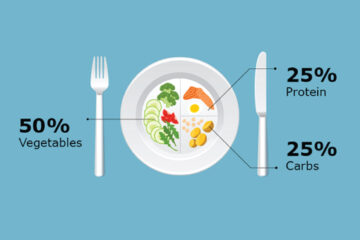
A balanced diet supports healthy cholesterol, blood pressure, and blood glucose levels.
Include plenty of vegetables, fruits, whole grains, legumes, nuts, seeds, and healthy sources of protein.
Foods rich in omega-3 fatty acids, such as fatty fish, may also support cardiovascular health.
Try to limit:
- Excessive salt intake.
- Processed and packaged foods.
- Sugary beverages.
- Foods high in saturated and trans fats.
- Excessive consumption of refined carbohydrates.
A Mediterranean-style eating pattern is one example of a dietary approach associated with cardiovascular benefits.
2. Exercise Regularly
Physical activity is essential for maintaining heart health during and after menopause.
Aim for at least 150 minutes of moderate-intensity aerobic activity each week, or 75 minutes of vigorous-intensity activity, as recommended for most adults.
Suitable activities include:
- Brisk walking.
- Swimming.
- Cycling.
- Dancing.
- Light jogging.
Strength training at least twice a week can also help maintain muscle mass, support metabolism, and improve overall physical fitness.
Women who have existing medical conditions should discuss an appropriate exercise plan with their healthcare providers.
3. Maintain a Healthy Weight
Managing body weight can help reduce the risk of high blood pressure, type 2 diabetes, and abnormal cholesterol levels.
Focus on sustainable lifestyle habits instead of extreme diets or rapid weight-loss methods.
Combining balanced meals, regular exercise, adequate sleep, and consistent daily activity can support long-term weight management.
4. Prioritize Sleep and Stress Management
Sleep disturbances are common during menopause, particularly among women experiencing night sweats and hot flashes.
Poor sleep and ongoing stress can negatively affect blood pressure, metabolic health, and cardiovascular well-being.
Establishing a regular sleep schedule, maintaining a comfortable bedroom environment, practicing relaxation techniques, and staying physically active may improve sleep quality.
Mindfulness, yoga, breathing exercises, and meditation can also help manage stress.
5. Avoid Smoking and Limit Alcohol
Smoking significantly increases the risk of heart disease and damages blood vessels. Quitting smoking is one of the most beneficial steps women can take to protect cardiovascular health.
Alcohol consumption can also affect blood pressure and other health outcomes. Limiting or avoiding alcohol is a sensible approach to reducing potential risks.
Should Women Consider Hormone Replacement Therapy for Heart Health?
Hormone replacement therapy (HRT), also called menopausal hormone therapy, may be prescribed to manage certain menopause symptoms, including hot flashes and night sweats.
However, it is important to understand that HRT is not recommended solely for preventing heart disease.
Its benefits and risks depend on several factors, including:
- Age.
- Time since menopause began.
- Personal medical history.
- Family history of cardiovascular disease.
- Type and route of hormone therapy.
- Whether the woman has a uterus.
For some healthy women younger than 60 or within 10 years of menopause onset, the benefits of hormone therapy for bothersome menopausal symptoms may outweigh the risks, provided there are no contraindications.
Women should discuss their individual circumstances with a qualified healthcare professional before starting or stopping hormone therapy.
Importance of Regular Heart Health Checkups
Preventive health screenings become increasingly important during the menopausal transition.
Women should discuss the following assessments with their healthcare providers:
- Blood pressure monitoring.
- Cholesterol and lipid profile testing.
- Blood glucose or HbA1c testing when appropriate.
- Weight and waist circumference assessment.
- Evaluation of personal and family cardiovascular history.
The frequency of these tests depends on individual risk factors, age, and existing health conditions.
Early identification of high blood pressure, abnormal cholesterol, and diabetes can help prevent serious complications.
Conclusion
Menopause brings significant hormonal changes that can influence several aspects of women’s health, including cardiovascular well-being. Declining estrogen levels, changes in cholesterol, increased abdominal fat, blood pressure changes, and insulin resistance can contribute to a higher risk of heart disease as women age.
However, menopause should be viewed as an opportunity to become more proactive about heart health rather than a reason to worry unnecessarily.
Following a balanced diet, exercising regularly, maintaining a healthy weight, managing stress, avoiding smoking, and attending routine medical checkups can help protect cardiovascular health.
Most importantly, every woman’s experience of menopause is different. Understanding personal risk factors and working with healthcare professionals can make it easier to navigate this transition while supporting a healthier and more active future.