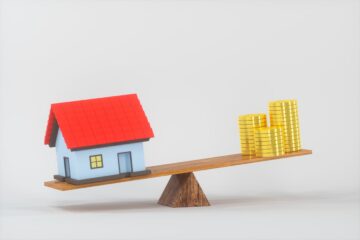

Buying an apartment is one of the biggest financial and personal decisions most people make. Buyers often focus on location, property prices, floor plans, amenities, and future resale value when choosing a home. While these factors are important, there is another element that deserves equal attention: the community surrounding the property.
A beautiful apartment may offer modern interiors, spacious rooms, and impressive facilities, but the quality of the surrounding community can significantly influence your everyday living experience. A welcoming neighbourhood, supportive residents, well-maintained shared spaces, and a sense of belonging can make a property more valuable in ways that go beyond its physical structure.
Real estate is not simply about owning four walls. It is also about investing in a lifestyle, relationships, security, and long-term well-being. Here is why a strong community can be one of your best real estate investments.
1. A Strong Community Improves Your Quality of Life
Your home is where you relax, spend time with family, and recharge after a busy day. However, your surroundings also influence how comfortable and happy you feel.
Living in a neighbourhood where people know each other, communicate regularly, and support one another can create a more positive residential experience.
For example, friendly neighbours may help you collect deliveries when you are away, share useful local information, or assist during unexpected situations.
Community activities such as cultural celebrations, weekend gatherings, sports events, and residents’ meetings can also make everyday life more enjoyable.
These experiences create emotional value that cannot be measured simply by the square footage or market price of an apartment.
2. Better Neighbourhood Relationships Can Improve Safety
Safety is one of the most important considerations when purchasing residential property.
A strong community often encourages residents to look out for one another. When neighbours communicate and remain aware of their surroundings, unusual activities may be noticed more quickly.
For example, residents can inform one another about suspicious visitors, security concerns, maintenance problems, or emergency situations.
Active residents’ associations can also coordinate with security personnel, establish visitor management procedures, and improve common-area monitoring.
However, community involvement should complement professional security arrangements rather than replace them.
A neighbourhood where residents cooperate and communicate effectively can provide an additional sense of security and peace of mind.
3. Community Living Can Increase Property Appeal
Real estate value depends on several factors, including location, infrastructure, demand, property condition, and market conditions.
However, the quality of the residential community can also influence how attractive a property appears to potential buyers and tenants.
People purchasing homes often look beyond the apartment itself. They may consider the neighbourhood environment, maintenance standards, available facilities, and overall residential experience.
A well-managed residential community with cooperative residents and properly maintained common areas can make a property more appealing.
For example, two apartments in similar buildings may offer comparable layouts and facilities, but the one located in a more organised and welcoming community may attract greater buyer interest.
Although a strong community does not guarantee higher resale prices, it can contribute to the property’s overall desirability.
4. Shared Amenities Become More Valuable Through Community Participation
Modern residential developments frequently offer shared amenities such as:
-
Swimming pools
-
Fitness centres
-
Children’s play areas
-
Landscaped gardens
-
Clubhouses
-
Walking tracks
-
Community halls
-
Indoor sports facilities
These facilities can improve residents’ lifestyles, but their actual usefulness depends on how well they are maintained and managed.
An active community encourages residents to participate in maintaining shared spaces and following common rules.
For example, residents may organise fitness activities, children’s events, gardening initiatives, or weekend gatherings.
When people feel responsible for shared facilities, they are more likely to respect them and support their long-term maintenance.
This creates a better living environment for everyone.
5. Strong Communities Build Valuable Social Connections
Moving into a new apartment often means entering an unfamiliar environment. For individuals and families relocating to a different city, building social connections can take time.
A supportive residential community can make this transition easier.
Neighbours may become friends, children may develop friendships, and families may build relationships through shared activities.
For elderly residents, community connections can be particularly valuable because they may reduce feelings of isolation and encourage regular social interaction.
Working professionals can also benefit from meeting people with different experiences, skills, and professional backgrounds.
These relationships create a support network that extends beyond the apartment’s physical boundaries.
6. Active Residents’ Associations Help Protect Long-Term Property Value
A residential building requires regular maintenance and effective management.
Common responsibilities include lift maintenance, plumbing repairs, waste management, landscaping, security, water supply, and electrical systems.
Without proper coordination, small maintenance problems can become expensive issues over time.
An active residents’ association can help address these challenges by:
-
Collecting and managing maintenance funds transparently.
-
Scheduling regular inspections.
-
Coordinating repairs and maintenance activities.
-
Communicating important updates to residents.
-
Addressing complaints and disputes.
-
Planning long-term improvements.
Good property management helps preserve the condition of shared facilities and supports a better residential experience.
For property owners, this can be an important consideration when evaluating the long-term attractiveness of their investment.
7. Community Engagement Creates a Better Environment for Children
Families with children often consider more than the apartment’s size when selecting a residential property.
They also look for safe outdoor spaces, opportunities for social interaction, and a family-friendly environment.
A strong community can provide children with opportunities to make friends, participate in recreational activities, and develop social skills.
Community celebrations, sports competitions, reading groups, and creative activities can make residential life more engaging.
Parents may also develop relationships with other families, making it easier to coordinate playtime and share useful information.
A welcoming neighbourhood can help children feel more connected to their surroundings.
8. Strong Communities Can Make Everyday Living More Convenient
A well-connected neighbourhood can make daily activities easier.
Residents often share information about nearby grocery stores, medical facilities, schools, public transportation, restaurants, repair services, and other local businesses.
For newcomers, this information can save considerable time.
Community communication groups can also help residents receive updates about water interruptions, maintenance schedules, local events, and emergency situations.
When used responsibly, these communication channels improve coordination and make everyday residential life more convenient.
9. How to Identify a Strong Community Before Buying an Apartment
Before purchasing a property, spend some time understanding the community rather than relying entirely on the developer’s marketing materials.
Here are some practical steps:
Talk to existing residents: Ask about their experiences, maintenance standards, security arrangements, and neighbourhood atmosphere.
Visit at different times: Explore the property during mornings, evenings, and weekends to understand everyday activity levels.
Check common-area maintenance: Look at lifts, corridors, gardens, parking spaces, and recreational facilities.
Understand the residents’ association: Find out how decisions are made, how maintenance funds are managed, and how complaints are addressed.
Observe community participation: Notice whether residents communicate respectfully and participate in common activities.
Research the surrounding neighbourhood: Check nearby schools, hospitals, public transportation, shopping areas, and essential services.
These steps can help you make a more informed property decision.
10. Community Is a Long-Term Investment, Not Just a Lifestyle Benefit
Real estate is generally considered a long-term investment, and the experience of living in a property can influence how owners evaluate their purchase over time.
A strong community contributes to several important aspects of residential living, including social relationships, maintenance, convenience, security awareness, and neighbourhood appeal.
These benefits may not appear directly in a property’s price calculation, but they can significantly affect the satisfaction of homeowners and residents.
It is also important to remember that communities require continuous participation. A positive residential environment does not develop automatically. Residents, property managers, and associations must work together to maintain it.
Conclusion
When choosing an apartment, it is easy to become focused on the physical property, its price, and the amenities offered by the developer. However, the community surrounding your home deserves just as much attention.
A strong community can provide meaningful relationships, better coordination, a more welcoming environment, well-maintained shared facilities, and a greater sense of belonging. It can also contribute to the long-term appeal of a residential property.
Ultimately, your best real estate investment may not simply be the apartment you purchase but also the neighbourhood and community you become part of.