In 2019, more than 8.5 million people worldwide were living with Parkinson’s disease, according to the World Health Organization. Despite medical advances, Parkinson’s disease is not curable.
However, it is treatable.
With early diagnosis and structured neurological care, symptoms can be effectively managed. In cities like Delhi, timely consultation with a neurologist can significantly slow progression and improve quality of life.
What Is Parkinson’s Disease?
Parkinson’s disease is a progressive neurodegenerative disorder. It gradually damages nerve cells in the brain — specifically those responsible for producing dopamine.
Dopamine is a chemical messenger that controls movement and coordination. When dopamine-producing neurons decline, symptoms such as tremors, stiffness, and slowed movement begin to appear.
The disease most commonly develops after age 60, according to the National Institute of Neurological Disorders and Stroke. Men are affected more often than women.
In Hindi, Parkinson’s disease is commonly described as
“मस्तिष्क की तंत्रिका कोशिकाओं में क्षति” — meaning damage to nerve cells in the brain.
Why Early Diagnosis Matters
Between 2000 and 2019, disability and deaths related to Parkinson’s disease more than doubled globally, according to the World Health Organization. This rise reflects aging populations and longer life expectancy.
Delhi’s growing elderly population has led to an increasing neurological disease burden in the region.
Parkinson’s disease progresses over time. While symptoms may begin mildly, they gradually worsen. Early neurological evaluation allows:
-
Accurate diagnosis
-
Timely medication initiation
-
Prevention of complications
-
Better long-term symptom control
How Is Parkinson’s Diagnosed?
There is no single blood test or scan that confirms Parkinson’s disease.
Diagnosis is primarily clinical. A neurologist evaluates:
-
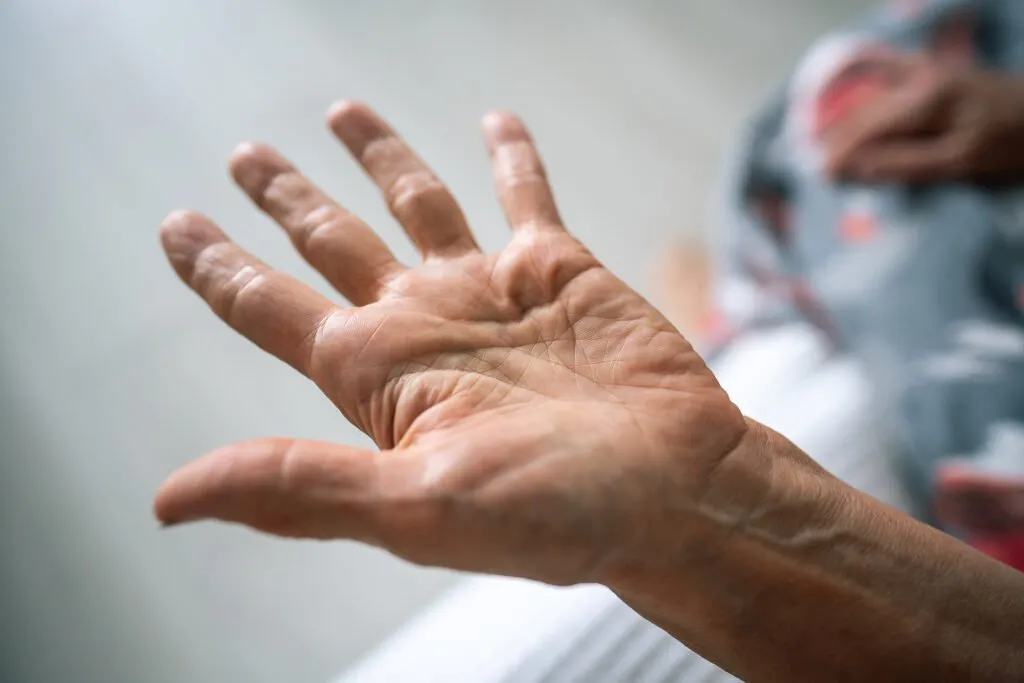
Tremor (especially at rest)
-
Muscle rigidity
-
Bradykinesia (slowed movement)
-
Postural instability
MRI scans do not diagnose Parkinson’s directly. According to the Mayo Clinic, MRI is mainly used to rule out other conditions such as stroke, tumors, or structural brain abnormalities.
Imaging is especially useful when:
-
Symptoms appear before age 50
-
Progression is unusually rapid
-
Secondary parkinsonism is suspected
Treatment Options Available in Delhi
While there is no cure, several treatments effectively manage symptoms.
1. Levodopa Therapy
According to the National Health Service, levodopa is the most effective medication for motor symptoms.
Levodopa:
-
Converts into dopamine in the brain
-
Improves tremors, stiffness, and slowness
It is typically combined with carbidopa to reduce side effects and enhance effectiveness.
After 5–10 years of long-term use, some patients may develop motor fluctuations or dyskinesia, as noted by the Parkinson’s Foundation.
2. Dopamine Agonists & MAO-B Inhibitors
-
Dopamine agonists mimic dopamine’s effect and may be used in early stages.
-
MAO-B inhibitors help prevent dopamine breakdown in the brain.
These medications may delay the need for higher levodopa doses.
3. Deep Brain Stimulation (DBS)
In advanced cases where medication becomes less effective, neurologists may recommend Deep Brain Stimulation.
DBS involves surgically implanting electrodes into specific brain regions to regulate abnormal signals. It can significantly reduce tremors and improve motor control in selected patients.
Possible Complications of Parkinson’s Disease
Motor symptoms typically worsen over time. These may include:
-
Increasing tremors
-
Severe stiffness
-
Slower movement
-
Balance issues
-
Higher fall risk
Non-motor symptoms are equally important and may involve:
-
Depression
-
Sleep disturbances
-
Constipation
-
Low blood pressure
-
Memory decline
-
Speech and swallowing difficulties
Early monitoring helps doctors adjust treatment plans and minimize these complications.
When Should You Visit a Neurology Hospital in Delhi?
Consult a neurologist if you notice:
-
Persistent tremors lasting more than a few weeks
-
Stiffness or slow movement
-
Balance problems or frequent falls
-
Speech or swallowing difficulty
-
Sudden changes after age 50
Patients under 50 experiencing symptoms should also seek evaluation to rule out secondary causes.
Early consultation allows:
-
Accurate diagnosis
-
Proper medication planning
-
Regular neurological monitoring
-
Better long-term outcomes
Final Answer: Is Parkinson’s Disease Curable?
No — Parkinson’s disease is not curable.
But it is manageable.
With structured medical care, proper medication, and regular follow-ups, many patients live active and independent lives for years.
If you are in Delhi and experiencing symptoms such as tremors or movement difficulty, timely evaluation is essential. Diagnosis remains clinical, and imaging supports ruling out other causes when necessary.
For expert neurological assessment and long-term care, consult the Neurology Department at Primus Hospital.
Early intervention can make a significant difference in managing Parkinson’s disease effectively.