For years, matching bedroom furniture has been considered the safest way to create a polished and coordinated space. A bed, bedside tables, wardrobe, and chest of drawers from the same collection could instantly make a bedroom look organised and complete.
But interior design has changed. Today, many homeowners are moving away from perfectly matched furniture sets and embracing a more relaxed, layered approach. Mixing different finishes, materials, colours, and styles can create a bedroom with considerably more personality.
So, is it finally time to break the rules of matching bedroom furniture?
Why Matching Furniture Became So Popular
Matching bedroom furniture became popular because it makes decorating straightforward. Buying pieces from the same collection guarantees that colours, finishes, proportions, and design details work together.
A coordinated set can also make a room feel neat and visually calm. This can be especially useful in smaller bedrooms where too many contrasting elements might make the space feel cluttered.
For homeowners who prefer traditional or minimalist interiors, matching furniture can still be an excellent choice.
However, there is a difference between coordinated and identical. A bedroom does not necessarily need every piece to come from the same furniture range to feel cohesive.
The Case for Mixing Furniture
Mixing furniture can make a bedroom feel more personal and less like a showroom.
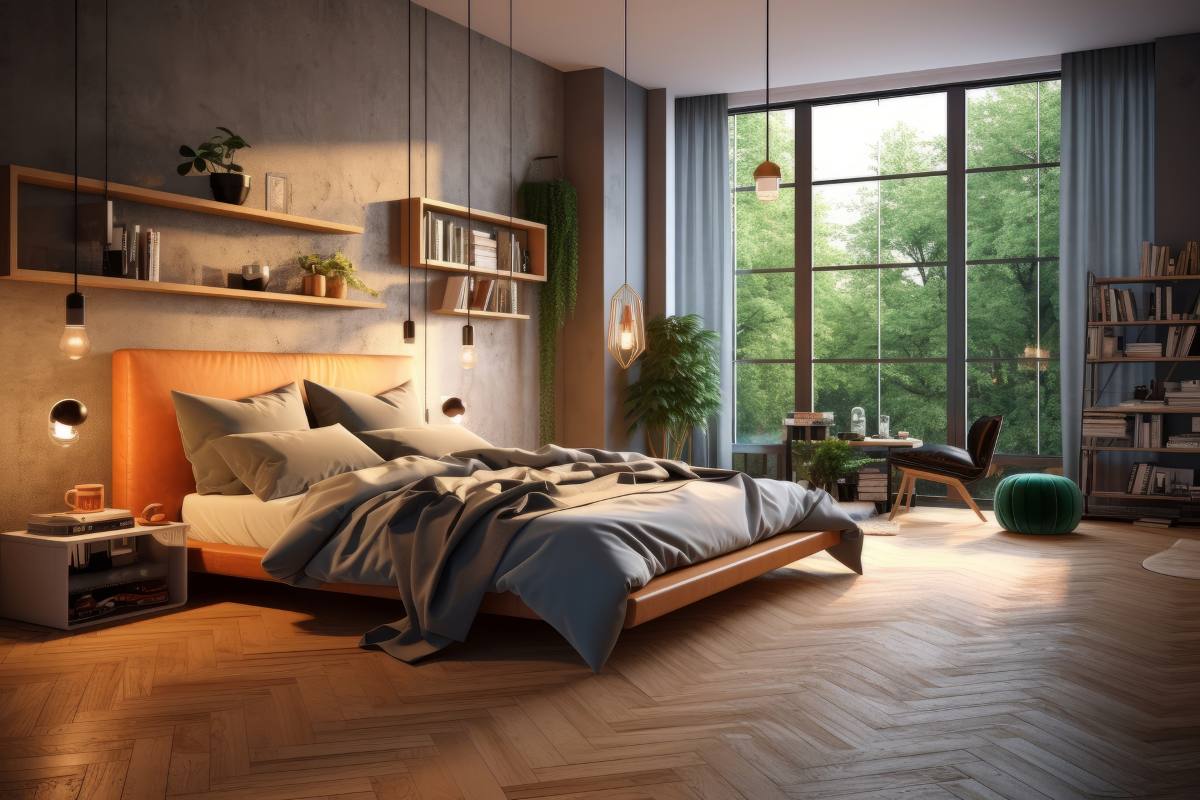
Instead of buying an identical bedside table to match the bed, for example, you might choose a different design that complements it. A wooden bed could work beautifully with painted bedside tables, while a contemporary upholstered headboard could be paired with simple wooden storage.
The goal is not to make everything different. Instead, it is about creating relationships between different pieces.
Similar colours, materials, shapes, or proportions can help connect furniture that does not technically belong to the same collection.
Create a Common Colour Palette
One of the easiest ways to mix bedroom furniture successfully is to establish a colour palette.
Suppose your room features warm oak flooring and neutral walls. You could introduce furniture in different wood tones while keeping the overall palette warm and natural.
Alternatively, a bedroom with white walls might combine walnut furniture with black metal accents and neutral fabrics.
The pieces do not need to match perfectly. They simply need to work within the same visual colour story.
Mix Materials for More Character
Using different materials can add depth to a bedroom.
A combination might include:
- Wooden bedside tables
- An upholstered bed
- A metal-framed mirror
- Woven storage baskets
- A glass or stone-topped dressing table
These contrasting materials can prevent the room from looking flat or overly coordinated.
The key is balance. Too many competing materials can make the room feel chaotic, so choose a few dominant materials and repeat them throughout the space.
Keep the Bed as the Main Focal Point
The bed is usually the largest and most visually important piece of bedroom furniture. It can therefore act as the anchor around which the rest of the room is designed.
If you choose a dramatic bed frame or upholstered headboard, simpler furniture may work better around it.
On the other hand, if the bed has a minimalist design, you can introduce more personality through bedside tables, lighting, artwork, or storage furniture.
Thinking of the bed as the starting point can make mixing furniture much easier.
Matching Doesn’t Always Mean Identical
There is another way to achieve a coordinated look without purchasing a complete matching set: repeat design elements.
For example, two different bedside tables can still look intentional if they share similar proportions or colours.
You might also use the same finish on smaller accessories throughout the room. Brass handles, black lighting fixtures, or natural wood details can create subtle visual connections.
This approach gives you the freedom to mix pieces while maintaining a sense of order.
Consider Proportion and Scale
One of the most important rules to keep when breaking the matching-furniture rule is proportion.
A tiny bedside table next to a large, imposing bed may look unbalanced. Similarly, an oversized wardrobe can dominate a small bedroom.
Before buying individual pieces, consider their height, width, depth, and relationship to other furniture.
Different styles can coexist successfully when their proportions feel intentional.
Don’t Forget Functionality
Beautiful furniture is only useful if it works for your everyday life.
A stylish bedside table may look great, but if it does not provide enough storage for your essentials, it may quickly become frustrating.
Consider how you use the room. Do you need drawers for clothing? Extra storage for books? A dressing area? Space for a desk?
Mixing furniture gives you an opportunity to choose pieces based on function rather than being restricted to whatever comes in a matching collection.
When Matching Furniture Still Makes Sense
Breaking the rules does not mean matching furniture is outdated.
A coordinated set can still be a great option for people who want a simple, cohesive appearance. It can also make furnishing a bedroom faster and easier.
Matching furniture works particularly well in minimalist, traditional, contemporary, and guest bedrooms where a clean and consistent appearance is desirable.
If you love the look of a complete furniture collection, there is no reason to abandon it simply because mixing pieces is fashionable.
How to Mix Furniture Without Making the Room Look Random
If you want to experiment, start small.
Keep the bed and wardrobe relatively simple, then introduce a contrasting bedside table or chest of drawers. You can gradually add different materials and finishes as you become more comfortable.
A useful approach is the rule of repetition. If you introduce a particular colour or material once, repeat it somewhere else in the room.
For example, black metal legs on a bedside table could be echoed through a black floor lamp or mirror frame. This makes different pieces feel connected.
Final Thoughts
The traditional matching bedroom furniture set is no longer the only way to create a stylish and cohesive bedroom. Mixing furniture can add personality, flexibility, texture, and visual interest to your space.
However, breaking the rules does not mean ignoring every design principle. Colour, proportion, balance, materials, and functionality still matter.
The best bedroom is not necessarily the one where every piece matches perfectly. It is the one where the furniture feels intentional, comfortable, and reflective of the people who use the room.
So yes, it may be time to break the rules—but do it thoughtfully. Instead of asking whether every piece matches, ask whether every piece belongs.