Colon cancer is among the most preventable cancers — but only when detected early.
With timely screening and medical care, precancerous growths in the large intestine can be identified and removed before they develop into cancer. Among all available screening tools, colonoscopy remains one of the most accurate and effective methods for early detection and prevention.
In this guide, we explain how a colonoscopy works, who should undergo screening, how to prepare, and key considerations such as colonoscopy cost in India.
Table of Contents
ToggleWhat Is a Colonoscopy?
A colonoscopy is a specialised diagnostic procedure that allows a gastroenterologist to examine the inner lining of the large intestine (colon) and rectum.
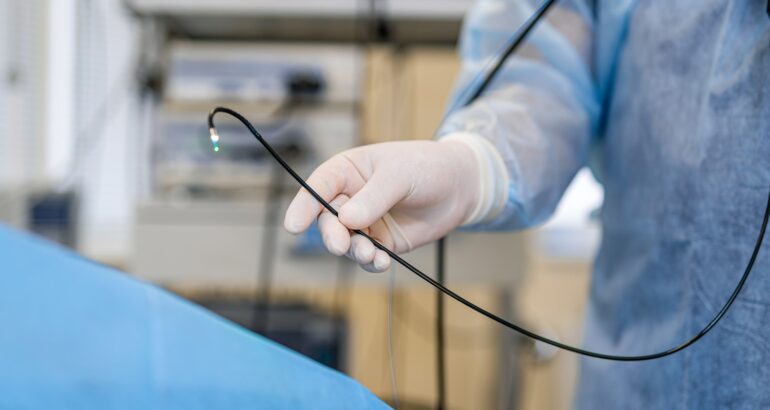
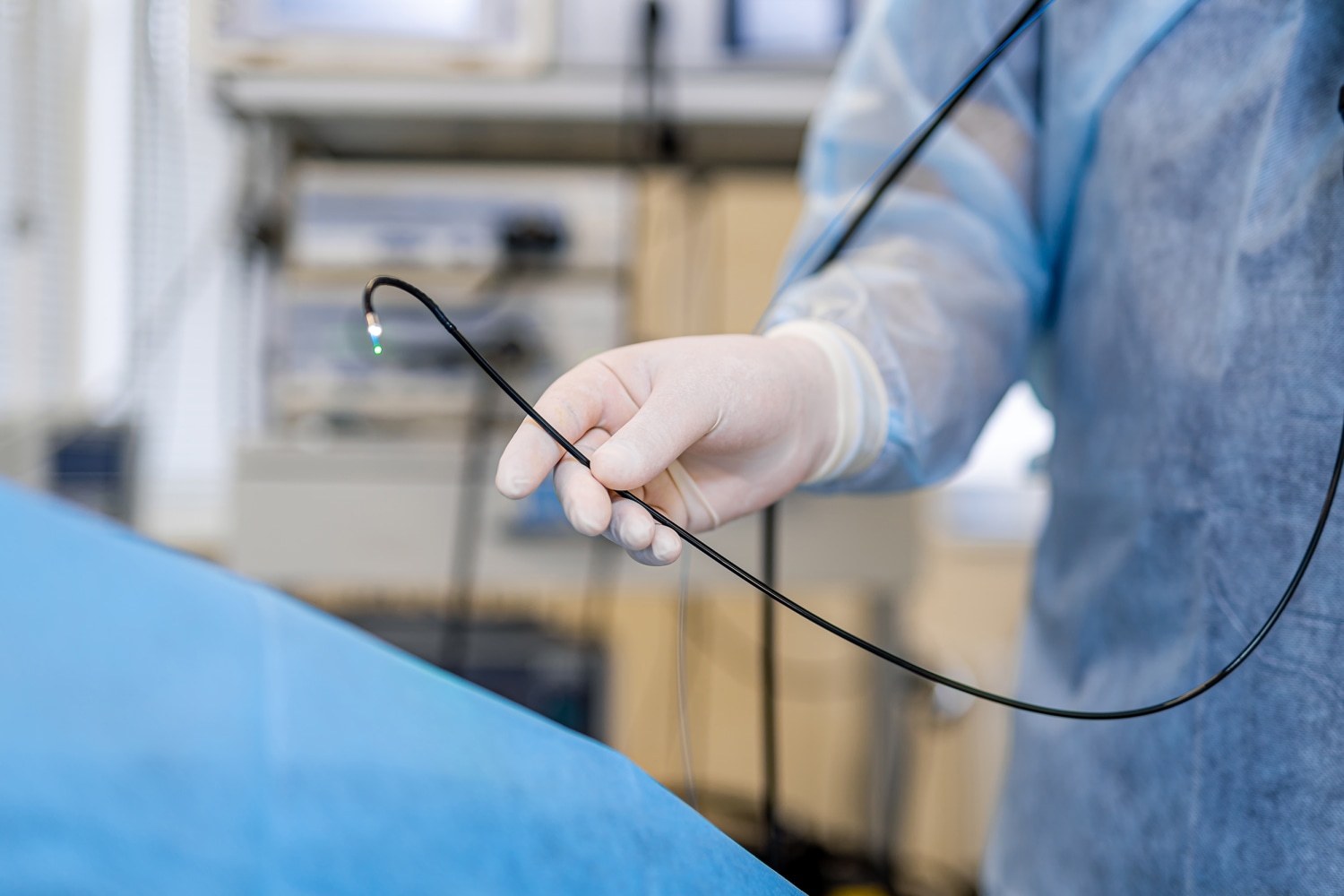
During the procedure, a thin, flexible tube equipped with a high-definition camera is gently inserted through the rectum. This allows the doctor to detect:
-
Polyps (abnormal growths)
-
Inflammation
-
Ulcers
-
Bleeding sources
-
Early cancerous changes
If small polyps are found, they can often be removed immediately during the same procedure. While some patients refer to this as “colonoscopy surgery,” it is typically a minimally invasive, day-care intervention without external incisions.
Who Should Get a Colonoscopy?
Colonoscopy is recommended both as a preventive screening tool and as a diagnostic test for certain symptoms.
Routine Screening
Adults aged 45 years and above are generally advised to undergo screening, even without symptoms.
Higher-Risk Individuals
Earlier screening may be recommended if you have:
-
A family history of colon cancer or polyps
-
Inflammatory bowel disease (IBD)
-
Unexplained anemia
-
Blood in stools
-
Persistent abdominal pain or bloating
-
Sudden changes in bowel habits
-
Unintentional weight loss
Women are equally encouraged to undergo screening when indicated. The female colonoscopy procedure follows the same medical protocol, with careful attention to comfort, privacy, and individual health history.
Early screening saves lives.
Preparing for a Colonoscopy
A clear view of the colon is critical for accurate diagnosis. That means proper preparation is essential.
Patients are usually instructed to:
-
Follow a low-fibre diet for 2–3 days before the test
-
Switch to clear liquids one day prior
-
Take prescribed bowel-cleansing medication
-
Temporarily stop certain medications if advised
-
Arrange transportation home after sedation
Inadequate preparation may require the procedure to be rescheduled. Your gastroenterologist will provide personalised instructions based on your medical condition.
What Happens During the Procedure?
Colonoscopy is performed in a dedicated endoscopy suite under monitored care.
Most patients receive mild sedation to ensure comfort. The procedure is typically painless and well tolerated.
During the examination, the doctor may:
-
Inspect the entire colon lining
-
Remove small polyps
-
Take biopsy samples
-
Control minor bleeding if necessary
These interventions are preventive and minimally invasive. No external surgical cuts are involved.
When Is Polyp Removal Necessary?
In many cases, colonoscopy is purely diagnostic. However, if polyps are discovered, removing them immediately significantly reduces the risk of colon cancer.
Polyp removal during colonoscopy is safe and routine. Complication rates are low, especially when performed by an experienced gastroenterologist.
Preventing cancer before it starts is the greatest advantage of this procedure.
Recovery After Colonoscopy
Since sedation is used, patients are observed briefly before discharge.
Common temporary effects may include:
-
Mild bloating
-
Drowsiness
-
Passing gas
Most individuals can resume normal activities the next day.
After the procedure, patients are typically advised to:
-
Rest for the remainder of the day
-
Avoid driving for 24 hours
-
Resume light meals as tolerated
-
Follow additional instructions if a biopsy or polyp removal was performed
Seek medical attention if you experience severe abdominal pain, fever, or persistent bleeding.
Colonoscopy Cost in India
The colonoscopy test cost varies depending on:
-
Hospital infrastructure
-
Specialist experience
-
Sedation requirements
-
Whether biopsies or polyp removal are performed
When evaluating colonoscopy cost in India, patients should prioritise:
-
Clinical expertise
-
Hygiene standards
-
Advanced endoscopy equipment
-
Transparent communication
Choosing a reputable hospital ensures safety and accurate diagnosis — which matters far more than selecting the lowest price.
The Bottom Line
Colonoscopy is one of modern medicine’s most powerful preventive tools.
It allows doctors to:
-
Detect cancer early
-
Remove precancerous polyps
-
Diagnose bowel disorders
-
Provide timely treatment
At Sarvodaya Hospital, Faridabad, patients receive comprehensive digestive care under the supervision of experienced specialists. Recognised among the leading gastroenterology centres in Delhi NCR, the hospital offers advanced endoscopy services and transparent guidance on colonoscopy cost and screening options.
If you are over 45, have symptoms, or fall into a higher-risk category, do not delay evaluation.
Early detection protects your health — and your future.
Book a consultation with a qualified gastroenterologist and take a proactive step toward long-term digestive wellness.