Managing Type 1 diabetes requires a combination of insulin therapy, regular blood glucose monitoring, physical activity, and balanced nutrition. Although food choices alone cannot cure or control the condition completely, a well-planned diet can help people manage blood sugar levels, maintain energy, and support long-term health.
One of the most important things to remember is that people with Type 1 diabetes do not need to eliminate all carbohydrates or follow an extremely restrictive diet. Instead, they need to understand how different foods affect blood glucose and coordinate their meals with their prescribed insulin regimen.
The best dietary strategies are practical, flexible, and tailored to individual needs. Understanding carbohydrate intake, choosing nutrient-rich foods, and maintaining consistent eating habits can make everyday diabetes management easier.
Understanding the Relationship Between Type 1 Diabetes and Diet
Type 1 diabetes is an autoimmune condition in which the body’s immune system destroys the insulin-producing beta cells in the pancreas. As a result, the body produces little or no insulin, a hormone needed to move glucose from the bloodstream into cells for energy.
People with Type 1 diabetes require insulin to survive. Food, particularly carbohydrate-containing food, affects blood glucose levels, making nutrition an important part of daily management.
Carbohydrates are broken down into glucose during digestion. Foods such as bread, rice, potatoes, fruit, milk, and sweets can therefore influence blood sugar levels. However, protein, fat, portion size, physical activity, stress, illness, and insulin timing can also affect glucose responses.
There is no single diet that works best for everyone with Type 1 diabetes. A registered dietitian experienced in diabetes care can help develop a meal plan that reflects individual preferences, nutritional requirements, insulin treatment, and lifestyle.
1. Understand Carbohydrate Counting
Carbohydrate counting is one of the most useful dietary skills for people who use insulin around meals. It involves estimating the amount of carbohydrate in a meal or snack so that insulin can be managed according to an individualized treatment plan.
Carbohydrates are present in many everyday foods, including:
- Rice, bread, pasta, and breakfast cereals
- Potatoes, corn, and other starchy vegetables
- Fruit and fruit juice
- Milk and yogurt
- Beans, lentils, and other legumes
- Cakes, biscuits, sweets, and sugary drinks
Reading nutrition labels, checking portion sizes, and using reliable carbohydrate reference guides can improve estimation accuracy.
Some people using intensive insulin therapy are taught to use an individualized insulin-to-carbohydrate ratio. This helps them calculate mealtime insulin doses based on the carbohydrates they plan to eat. However, insulin dosing should follow guidance from their diabetes care team rather than a generic formula.
Carbohydrate counting does not mean avoiding carbohydrates altogether. It helps people understand their intake and coordinate food with insulin more effectively.
2. Choose High-Fibre Carbohydrate Sources
The type of carbohydrate consumed can influence how quickly blood glucose rises after a meal. Foods rich in fibre are generally valuable because they support digestive health, increase fullness, and may produce a more gradual glucose response than some highly refined alternatives.
Useful options include whole grains, vegetables, beans, lentils, nuts, seeds, and whole fruit.
For example, replacing some refined grains with oats, whole-wheat bread, or other whole-grain alternatives can improve the overall nutritional quality of meals. Adding vegetables and legumes can also increase fibre intake.
However, high-fibre foods still contain carbohydrates, and their effects on blood glucose vary. Whole fruit is generally a nutritious choice, but fruit juice can raise blood glucose more rapidly because it contains less fibre and is easier to consume in large quantities.
The goal is to choose nutrient-rich carbohydrate sources while accounting for their carbohydrate content.
3. Build Balanced and Nutritious Meals
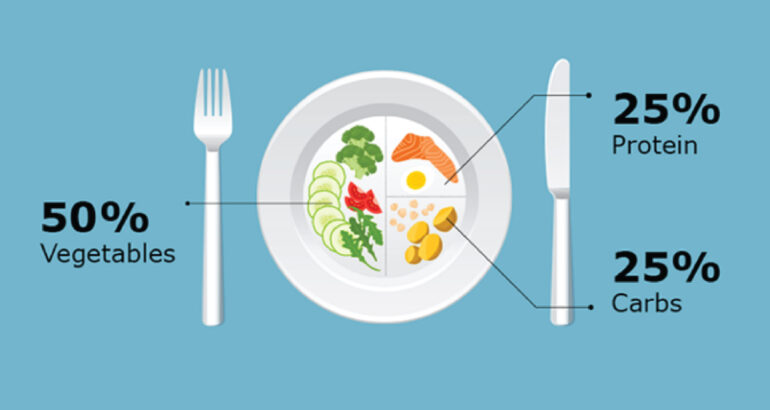
A balanced meal can help people with Type 1 diabetes obtain the nutrients needed for energy, growth, and general well-being.
A practical approach is to include a combination of vegetables, appropriate carbohydrate sources, protein, and healthy fats.
For example, a balanced lunch might contain brown rice or another grain, cooked vegetables, lentils, and a protein source such as eggs, fish, tofu, or chicken.
Protein supports muscle maintenance and tissue repair. Healthy fats from foods such as nuts, seeds, olive oil, and avocados contribute to overall health. Vegetables provide vitamins, minerals, and fibre.
Meals do not have to be complicated or expensive. Traditional foods can fit into a diabetes-friendly eating pattern when portions, carbohydrate content, and insulin requirements are considered.
It is also important to avoid unnecessarily restrictive diets, especially for children, teenagers, pregnant individuals, and people with increased nutritional needs.
4. Pay Attention to Portion Sizes
Even nutritious foods can affect blood glucose when consumed in large quantities. Portion awareness is therefore an important part of diabetes management.
For carbohydrate-rich foods such as rice, bread, pasta, and potatoes, measuring portions initially can help people learn how much carbohydrate they typically consume.
Visual guides, measuring cups, kitchen scales, and food labels can make portion estimation easier. Over time, many people become more familiar with the carbohydrate content of their usual meals.
However, portion control should not become a reason to undereat. People with Type 1 diabetes need enough energy and nutrients to meet their individual requirements.
The aim is to develop a sustainable eating pattern that supports blood glucose management without unnecessary hunger or food anxiety.
5. Be Mindful of Sugary Drinks and Highly Processed Foods
Sugary drinks, including regular soda, sweetened tea, energy drinks, and some fruit drinks, can raise blood glucose quickly. They may also contribute substantial amounts of sugar without providing the same nutritional benefits as whole foods.
Choosing water, sparkling water, or unsweetened beverages most of the time can be a useful strategy. Unsweetened tea and coffee may also fit into an individual’s routine, depending on personal tolerance and medical advice.
Highly processed foods are not automatically unsuitable for people with diabetes. However, some packaged snacks, desserts, and fast-food meals contain substantial amounts of refined carbohydrates, saturated fat, sodium, or added sugar.
Reading food labels helps identify carbohydrate content and compare available options.
Importantly, sugary foods are not completely forbidden. They can sometimes be included in a balanced eating plan when their carbohydrate content is considered and insulin is managed appropriately.
6. Understand How Protein and Fat Affect Blood Glucose
Carbohydrates often have the most immediate effect on post-meal blood glucose, but protein and fat can also influence glucose patterns.
Meals high in fat may slow digestion, delaying the rise in blood glucose. Some meals containing substantial amounts of both fat and protein can lead to a later or more prolonged glucose increase.
For example, pizza, creamy pasta dishes, and fried meals may produce glucose patterns that differ from those seen after a meal containing mostly carbohydrates.
People who notice repeated delayed glucose rises after particular meals can discuss these patterns with their diabetes team. Adjustments to insulin timing or delivery may sometimes be appropriate, but they should be individualized to reduce the risk of hypoglycaemia.
Healthy fats from nuts, seeds, fish, and plant oils are generally useful components of a balanced diet. The objective is to understand how meals affect glucose rather than eliminate entire nutrient groups.
7. Plan Meals and Snacks Around Physical Activity
Exercise is beneficial for cardiovascular health, strength, mood, and general well-being. However, physical activity can change insulin sensitivity and blood glucose levels in people with Type 1 diabetes.
Aerobic activities, such as walking, cycling, and swimming, may lower glucose during exercise or afterward. Intense activity can sometimes cause a temporary increase, depending on its intensity and other factors.
Planning food intake around exercise can help reduce unexpected glucose fluctuations.
People should work with their diabetes care team to understand how to monitor glucose before, during, and after activity, and how their insulin and carbohydrate needs may change.
Carbohydrate snacks may be necessary in some circumstances, particularly when glucose is low or falling. The appropriate amount depends on the starting glucose level, activity, insulin on board, and individual treatment plan.
It is also important to carry a fast-acting source of glucose during exercise and follow an established plan for treating hypoglycaemia.
8. Recognize and Prevent Low Blood Sugar
Hypoglycaemia, or low blood glucose, is an important risk for people using insulin. It can occur when insulin levels are too high relative to food intake or activity, although other factors may contribute.
Symptoms can include shaking, sweating, hunger, dizziness, difficulty concentrating, and a rapid heartbeat. Severe hypoglycaemia can cause confusion, seizures, or unconsciousness.
People should follow their diabetes team’s instructions for treating low glucose. A common approach for an alert adult who can safely swallow is to consume approximately 15 grams of fast-acting carbohydrate and recheck glucose after 15 minutes, repeating treatment if it remains low. Individual plans may differ, particularly for children.
Examples of fast-acting carbohydrate include glucose tablets or measured amounts of glucose-containing juice. Chocolate and high-fat foods are generally less suitable for immediate treatment because fat can slow glucose absorption.
If someone is unconscious or having a seizure, do not give food or drink by mouth. Use prescribed glucagon if available and someone is trained to administer it, and seek emergency medical assistance.
9. Stay Hydrated and Monitor Blood Glucose
Adequate hydration supports normal bodily functions and can be especially important when blood glucose is elevated.
Water is usually an appropriate everyday choice. During hot weather, exercise, or illness, fluid requirements may increase.
Regular blood glucose monitoring can help people understand how meals, exercise, medication, and daily routines affect their glucose levels. Continuous glucose monitoring systems can provide additional information about trends and glucose changes throughout the day.
Reviewing glucose patterns alongside meal records can help identify recurring responses to particular foods or portion sizes.
However, individual readings should be interpreted in context. A single high reading does not necessarily mean a food must be permanently avoided. Repeated patterns are generally more useful when discussing adjustments with a diabetes care professional.
10. Be Careful With Extreme Diets and Supplements
Low-carbohydrate, ketogenic, fasting, and other restrictive diets can affect insulin requirements and blood glucose patterns. They may also introduce additional risks for people with Type 1 diabetes.
In particular, reducing carbohydrate intake substantially without appropriate insulin adjustments can increase the risk of hypoglycaemia. Inadequate insulin can also lead to diabetic ketoacidosis, a potentially life-threatening emergency.
People with Type 1 diabetes should never stop taking prescribed basal insulin because they are eating less or skipping a meal unless their treating specialist provides a specific, safe alternative plan.
Supplements marketed for blood sugar control should also be approached cautiously. Evidence for many products is limited, and some can interact with medications or cause adverse effects.
Before making a major dietary change or starting a supplement, consult a qualified healthcare professional familiar with Type 1 diabetes.
Conclusion
The best dietary strategies for managing Type 1 diabetes focus on balanced nutrition, carbohydrate awareness, appropriate portion sizes, hydration, and coordination between meals, insulin, and physical activity.
There is no universal meal plan that works for every person. Individual glucose responses, treatment methods, age, activity levels, food preferences, and nutritional requirements all influence what works best.
The most important principle is to avoid unnecessary food restrictions while learning how different meals affect blood glucose. Regular monitoring, practical meal planning, and guidance from a diabetes care team can help people build sustainable habits and maintain a better quality of life.
This is something to be mindful of: food is an important part of Type 1 diabetes management, but it does not replace insulin therapy. Any significant dietary change should be planned with a qualified healthcare professional to support safe and effective blood glucose management.